
Asphalt Mixing Plant
Asphalt mixing plants are core equipment in the road construction sector. Precise control at every stage, from raw material preparation to finished product discharge, ensures the quality of the mix. From batch-type to continuous-type, and from stationary to mobile, different types of equipment cater to varying project requirements.
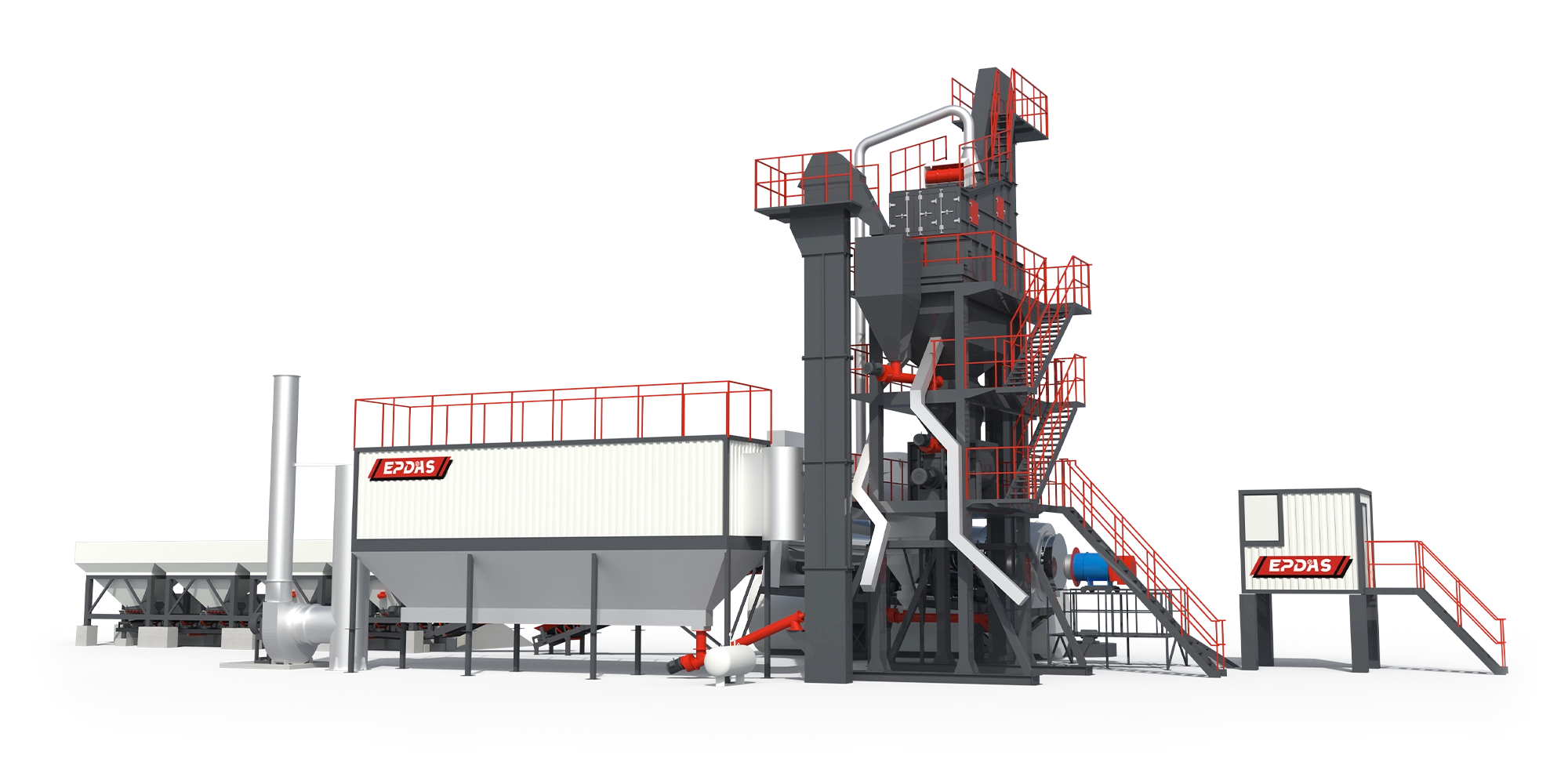
What is an Asphalt Mixing Plant
An asphalt mixing plant, also commonly referred to as an asphalt mixing station, is an industrial production system specifically designed to produce asphalt mixtures. Its core function involves precisely heating aggregates such as sand and crushed stone, then mixing them in specific proportions with asphalt binder and fillers like mineral powder to ultimately produce a uniform asphalt mixture. The durability of pavement projects depends largely on the uniformity of the asphalt mixture and the accuracy of its proportions. This is the core function of an asphalt mixing plant.
Main Types of Asphalt Mixing Plants
Asphalt mixing plants are available in a diverse range of specialized types, each engineered and calibrated to perform optimally for specific road construction projects and operational scenarios, boasting distinct, targeted advantages that align perfectly with the unique requirements and demands of the job at hand.

- By Production Process: Batch or Continuous
Batch type
Mix is produced in separate batches, with all raw materials weighed carefully before being mixed together. You can adjust the mix formula easily for different project needs, and the finished asphalt mix always has consistent quality.
Continuous type
Raw material metering, conveying and mixing all run nonstop. The plant itself is simple in structure, easy to operate, and can produce large volumes of mix quickly. It’s ideal for big construction projects where the mix formula stays the same and it helps cut down construction time significantly.
- By Mobility: Stationary or Mobile
Stationary type
It’s installed in a fixed position and needs a dedicated foundation on-site. It has a large production capacity and complete supporting facilities, making it perfect for long-term, large-scale projects.
Mobile type
No foundation is needed and all core components are mounted on a movable chassis. It’s easy to take apart, transport and assemble on-site, and keeps operational and transportation costs low. This type is great for construction work that requires moving the plant to different sites frequently.
- Specialized Types: Cold Climate & RAP Recycled
Cold climate version
It’s fitted with heated motors, cold-resistant belt conveyors and upgraded electrical systems, including heated control cabinets. Designed specifically for construction in freezing areas, it ensures the equipment can start up smoothly and run steadily in low temperatures.
RAP recycled version
Comes with an integrated RAP recycling system and special feeding and processing equipment. It blends reclaimed asphalt pavement material with new aggregates and asphalt in the right ratio to make qualified asphalt mix. This not only reduces construction waste but also cuts the cost of new raw materials, and it’s a popular choice for green construction these days.
Core Components of the Asphalt Mixing Plant
The stable operation of an asphalt mixing plant relies on the coordinated work of its core components. Each component has a specific function, and a failure in any single part will directly affect production progress and the quality of the mix. The core components primarily include the following categories:

- Cold Aggregate Supply System
Comprising hoppers, conveyors, and feed chutes, this system is central to raw material conveyance and preliminary batching. It ensures that aggregates of different particle sizes enter subsequent processes in proportion and in a continuous, stable manner.
- Drying Drum
It performs the dual tasks of drying and heating aggregates. Its rotating design allows aggregates to come into full contact with high-temperature hot air, ensuring uniform heating and thorough moisture removal. The material and wear resistance of the drum also directly determine the equipment’s service life.
- Burner
Serving as the heat source for drying drum, it can utilize various fuels such as diesel, coal, and natural gas. Its combustion efficiency directly impacts the heating rate and temperature control accuracy of the aggregates, while also affecting the equipment’s energy consumption and environmental emission standards.
- Dust Collection System
Primarily comprising cyclone and baghouse dust collectors, this system effectively captures dust generated during production and purifies exhaust gases. It not only meets environmental requirements but also recovers and reuses fine dust, thereby reducing raw material consumption.
- Hot Aggregate Conveyor
It must be capable of withstanding high temperatures and operating stably. Its conveying efficiency must be matched with the drying and heating processes at the front end and the screening and mixing processes at the back end.
- Screening Unit (Equipped only in batch-type mixing plants)
Multi-layer vibrating screens ensure accurate batching for subsequent processes. The precision and wear resistance of the screen mesh directly impact screening performance.
- Mixing Unit
This is the core component for forming the mixture, comprising forced-action mixers and drum mixers. Their internal structural design ensures thorough mixing of aggregates, asphalt, and additives, with the wear resistance of the mixing blades.
- Asphalt and Filler Storage System
This system includes asphalt heat retention tanks, mineral powder silos, and additive hoppers. Its primary function is to ensure the thermal retention and fluidity of the asphalt, as well as the sealed storage and precise metering of various fillers.
- Finished Product Storage Bin
Designed with thermal insulation to effectively maintain the temperature of the asphalt mixture, its capacity is determined based on the mixing plant’s production capacity. This ensures efficient storage and discharge of the finished product, meeting the continuous supply requirements.
Guide to the Asphalt Mixing Plant Workflow
The production process at an asphalt mixing plant follows strict technical specifications. From the feeding of cold aggregates to the discharge of finished mix, every stage is subject to precise control standards. While different types of mixing plants may vary in detail, the overall process remains largely consistent.

- Laying the Foundation for Raw Material Proportions
The first step in production begins at the cold aggregate silos. Sand, gravel, and crushed stone of different particle sizes are stored separately in individual aggregate silos, each equipped with a precise metering and feeding system.
The belt conveyor beneath the aggregate silos transports the prepared cold aggregate to an inclined conveyor, which then feeds the aggregate into the drying drum. The key to this stage is ensuring the continuity and precision of aggregate delivery to prevent production disruptions caused by uneven material flow. - Controlling Core Temperature Parameters
The drying drum serves as the heating unit of the asphalt mixing plant. As the drum rotates continuously, the aggregate inside is thoroughly agitated. Burner generates high-temperature hot air that comes into full contact with the aggregate. This process not only completely removes moisture from the aggregate but also heats it to the target temperature of 150–180°C.
During the drying and heating process, a certain amount of dust is generated. The integrated baghouse dust collection system promptly captures this dust. After processing, the fine dust can be reintroduced into the mix as mineral powder filler, thereby reducing environmental emissions and improving raw material utilization. - Ensuring Binder Fluidity
Asphalt is stored in tanks equipped with insulation layers. Temperature is maintained through direct or indirect heating methods to ensure the asphalt’s fluidity. Direct heating involves placing burners or heating elements beneath the storage tank to transfer heat through the tank walls, while indirect heating utilizes heat transfer media such as thermal oil or steam to heat the asphalt via coils or jackets around the tank’s exterior.
The storage tank is equipped with circulation pumps, heat tracing devices, and calibrated flow meters to precisely control the asphalt delivery rate, ensuring accuracy in subsequent batching. If the project requires mix with special properties, additives such as fibers and polymers are stored in separate silos or hoppers. - Screening, Batching, and Mixing: Key Differences Between Equipment Types
Dried and heated hot aggregates are conveyed by an elevator to the screening system. This step represents the primary distinction between batch and continuous mixing plants.
Batch-type mixing plants are equipped with multi-layer vibrating screens that re-screen the hot aggregates by particle size and are stored separately in hot aggregate bins. Subsequently, according to the project formula, the aggregates, asphalt, mineral powder, and additives in the hot aggregate bins are precisely weighed in batches one by one before being fed into the mixer for blending.
Continuous mixing plants do not include the steps. All raw material measurement and mixing are performed continuously within the drum or in the forced-action mixer located after the drum without interruption. The mixing time is approximately 20 minutes, with the primary objective are thoroughly blended to form a uniform asphalt mixture. - Maintaining Mixing Temperature
The freshly mixed hot asphalt mixture is transported to a finished product silo equipped with thermal insulation for storage. The key function of the finished product silo is to maintain the temperature of the mixture. During construction, The finished product silo directly discharges the mixture into transport vehicles as required, which are promptly delivered to the construction. The entire process must be completed as quickly as possible to ensure the mixture retains its optimal temperature.
How to Choose a Suitable Asphalt Mixing Plant
Don’t pick asphalt mixing plant on a whim. Base your choice on what the project actually needs. A lot of companies make the same mistakes. They go for bigger, pricier models without checking if the equipment fits the job. Think about project size, job site conditions, working environment, and budget. These practical details will point you to the right equipment.
- Clarify Core Project Needs First
Small projects work best with mobile mixing plants, like rural road repairs, residential yard paving, small-area pavement maintenance. These jobs have scattered sites and low output needs. GLB20, GLB40, GLB60, GLB80 models fit perfectly. Easy to move, enough production capacity, and lower purchase and running costs.
Large projects need fixed batch-type mixing plants such as highways, airport runways, high-grade urban main roads fall into this category. These jobs demand consistent high-quality mix, high output, and a fixed work site. Fixed batch plants keep mix quality steady, and the large finished silos keep materials flowing to the site nonstop.
Fixed continuous-type mixing plants are a solid pick for projects that need set mix recipes and fast construction. That includes new ordinary road builds and large-scale pavement maintenance. These equipment work efficiently, crank out mix quickly, and cut down total construction time.
If you need to work in winter low temps, choose cold-resistant models. These cold-adapted machines start and run steady in freezing weather without cold-related breakdowns or unexpected construction delays. - Match Production Capacity to the Project
The plant’s output has to line up with paving speed. Keep the site stocked with materials, but don’t overdo it on capacity because too much capacity just makes the machine sit idle, wasting resources and money. A simple rule: pick a plant with 1.2 times the project’s average daily paving volume. That’s enough for normal work.
- Check Job Site Features
Go stationary if the site is fixed, and you have room to build a equipment foundation. Go mobile if you need to move sites often, or space is tight, which cuts down on-site assembly time a lot.
- Balance Budget and Costs
Think long-term operating costs. Fixed batch plants cost more to buy at first, but they’re cheaper to run and more efficient over time, which are made for long-term, large-scale projects. Mobile plants cost less upfront, but high output over time will push up operating costs. Don’t forget long-term energy bills and environmental compliance costs matter for the budget.
- Meet Green Construction Needs
Prioritize plants with a RAP system when choosing models to handle recycled materials properly.
Warm-mix asphalt technology is another plus, which cuts energy use and emissions even more, hitting green construction standards easily. - Check Automation and Ease of Use
Highly automated equipment cuts down manual work to decline labor costs and human errors. Meanwhile, simple-to-run equipment saves training time and money, perfect for sites with high staff turnover.
- Reliable After-Sales Service
Stick with manufacturers that offer full-lifecycle service including on-site installation, commissioning and operator training. Regular inspections, fast repairs, ready spare parts are non-negotiable. Good after-sales support means less downtime, smoother project progress so that is crucial in our purchasing.
Remember good makers can tweak equipment for special project needs, and fix issues in tough working conditions.
RAP Recycling Technology: The Green Trend in Asphalt Production
- Lower Production Costs
Using recycled materials cuts the need for new aggregates and virgin asphalt a lot. Real project data shows that asphalt mixing plants with RAP recycling tech save 15 to 30 yuan per ton of mix. For large road projects, annual cost savings can easily exceed one million yuan.
- Reduced Environmental Impact
This technology brings clear environmental benefits. It cuts down construction waste from old pavement demolition. It also reduces resource use and environmental harm from mining new aggregates and making virgin asphalt. This fits the global push for green and sustainable development.
- Specialized Equipment Compatibility
RAP recycling needs dedicated equipment, not ordinary machinery. Special systems handle RAP feeding, crushing and screening. Operators can adjust the recycled material ratio precisely based on how old the RAP is.
- Higher Recycled Content Ratio
The recycled content in the mix can be raised to 50% without hurting quality. Paved roads made with this mix perform almost the same as those using 100% new asphalt mix. Some finished projects even show a 15% longer service life for recycled asphalt pavements.
- Warm-Mix Asphalt Technology Support
Warm-Mix Asphalt Technology works well with RAP recycling. It lowers asphalt mix production temperature from the usual 150-180℃ to 120℃. This cuts fuel use by 25% and reduces CO2 emissions by 3-5 kg per ton of mix. It also brings down energy use and pollution during the whole asphalt production process.
- Enhances Construction Flexibility for Projects
Reclaimed materials can be processed and used on-site, eliminating the need for long-distance transportation of new aggregates and virgin asphalt and significantly cutting down the lead time for raw material delivery, even in remote areas or construction sites with poor transportation access.
Asphalt Mixing Plant Project Cases
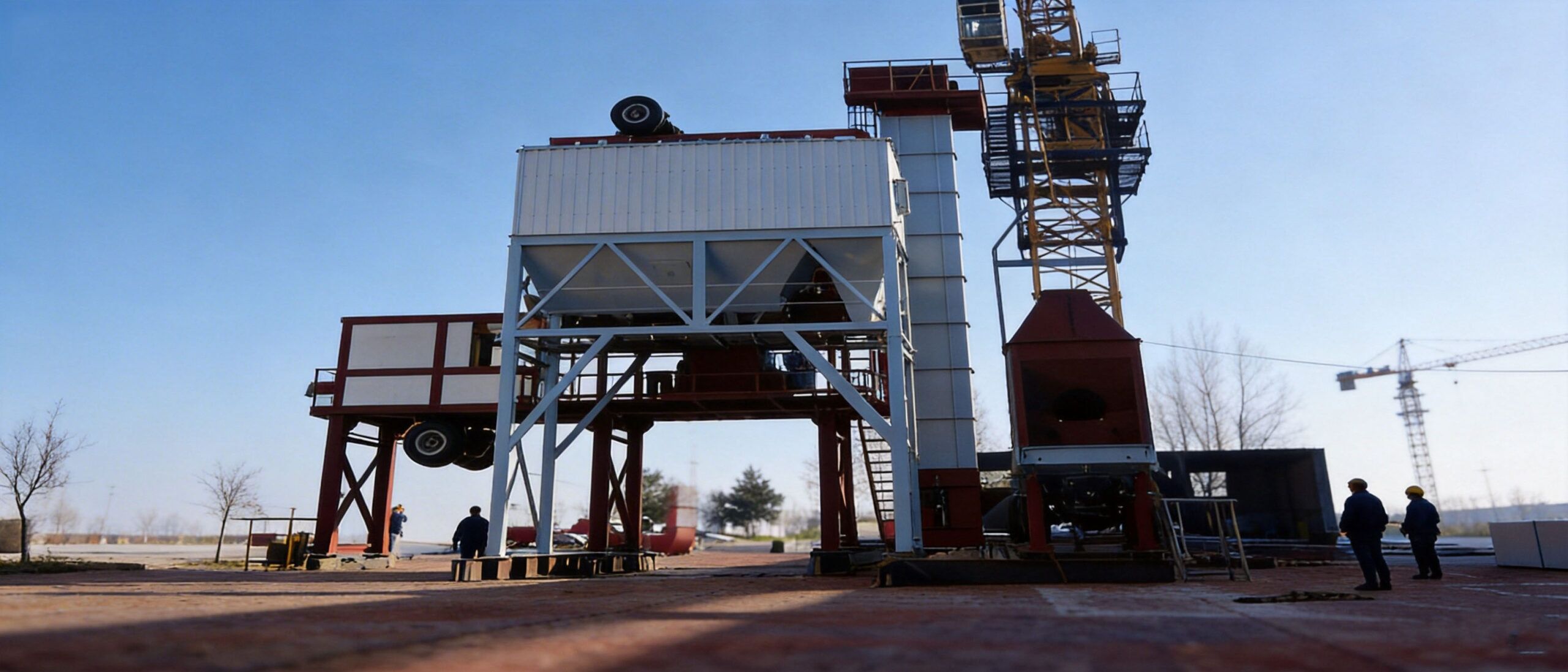
Asphalt mixing plant in Bangladesh
Bypass costly foundation construction and site hardening. Our equipment features high site adaptability, enabling fast-track production on leveled, soft ground via simple assembly, thereby minimizing project mobilization time.
Location: Bangladesh
Site: Unpaved, soft ground
Advantages: low inveatment, lower cost, stable working performance
FAQs
- Is there any difference between an asphalt mixing plant and an asphalt batching plant?
There is no essential difference between the two terms. The difference mainly comes from regional naming habits. “Asphalt mixing plant” is the commonly used industry term, while “asphalt batching plant” is used in some regions to describe the same industrial system for producing asphalt mixtures.
- What temperature does an asphalt plant heat aggregates to?
Under normal conditions, an asphalt plant heats aggregates to approximately 150–180°C. This temperature range effectively removes moisture from the aggregates and ensures proper bonding between asphalt binder and aggregates. When warm mix asphalt technology is applied, the aggregate heating temperature can be reduced to around 120°C.
- What is the maximum RAP content that an asphalt plant can use?
A high-quality asphalt recycling plant can incorporate up to 50% RAP (Reclaimed Asphalt Pavement) while maintaining asphalt mixture performance. The actual RAP content depends on factors such as the aging condition of the reclaimed material and the performance requirements of the final pavement.
- How long does it take for an asphalt plant to produce one batch of asphalt mixture?
For batch-type asphalt plants, the mixing time for a single batch is usually around 20 minutes. Including aggregate feeding, weighing and material handling, the complete production cycle typically takes about 30 minutes. The actual cycle time may vary depending on plant capacity and asphalt mixture design.
- Why can warm mix asphalt technology reduce fuel consumption?
Warm mix asphalt technology lowers the production temperature of asphalt mixtures from the conventional 150–180°C range to around 120°C. Since aggregates require less heating, the burner consumes less fuel. In practical applications, warm mix technology can reduce fuel consumption by approximately 25%.
- What are the key maintenance points for an asphalt plant?
The key to asphalt plant maintenance is preventive servicing of major components. Regular inspections should focus on heating systems such as the drying drum and burner, lubrication of moving parts including conveyors and mixers, calibration of temperature and weighing sensors, and cleaning of dust collection systems. For plants operating in cold climates, additional frost protection measures are also required.
Customize Your Solutions
Contact us now via Email:info@epdas.com, or Whatsapp:+86 188 38115507 , or fill in the form below.
FEW TIPS:
- Please describe the capacity per hour of the asphalt batching plant (e.g., 80t/h-400t/h).
- Please clarify whether you need a mobile or fixed type of asphalt batching plant.
- Please state the installation site of the asphalt batching plant (specific country/region)
- Please inform the budget range for purchasing the asphalt batching plant and your expected delivery time.
- If you are interested in becoming our distributor, please let us know.
Service Process:
- Business negotiation
- Solution development
- Manufacturing and commissioning
- Operational production