
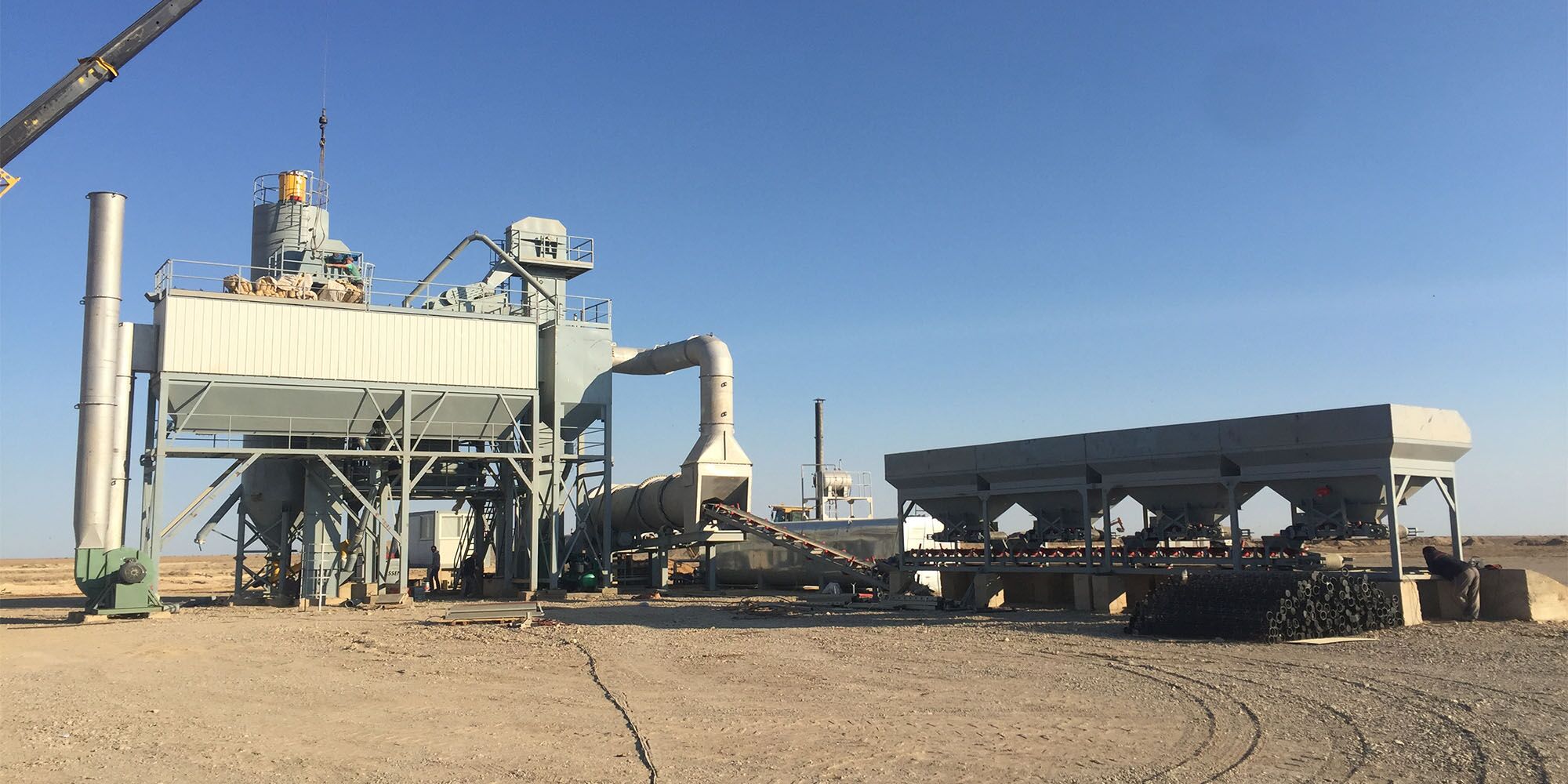
Stationary Asphalt Plant
A stationary asphalt plant is a fixed production system that processes raw materials into asphalt mixtures through controlled drying, weighing, and mixing stages. All equipment is arranged in one integrated layout, allowing stable and continuous operation at a single site. It is designed to maintain consistent output quality for long-term paving projects requiring uninterrupted material supply.
- :
- :
What is a Stationary Asphalt Plant
Stationary asphalt plants are large-scale production facilities designed for high-volume asphalt production. They produce standard hot mix asphalt (HMA) via precise proportioning, heating and mixing of aggregates, mineral filler and asphalt binder.
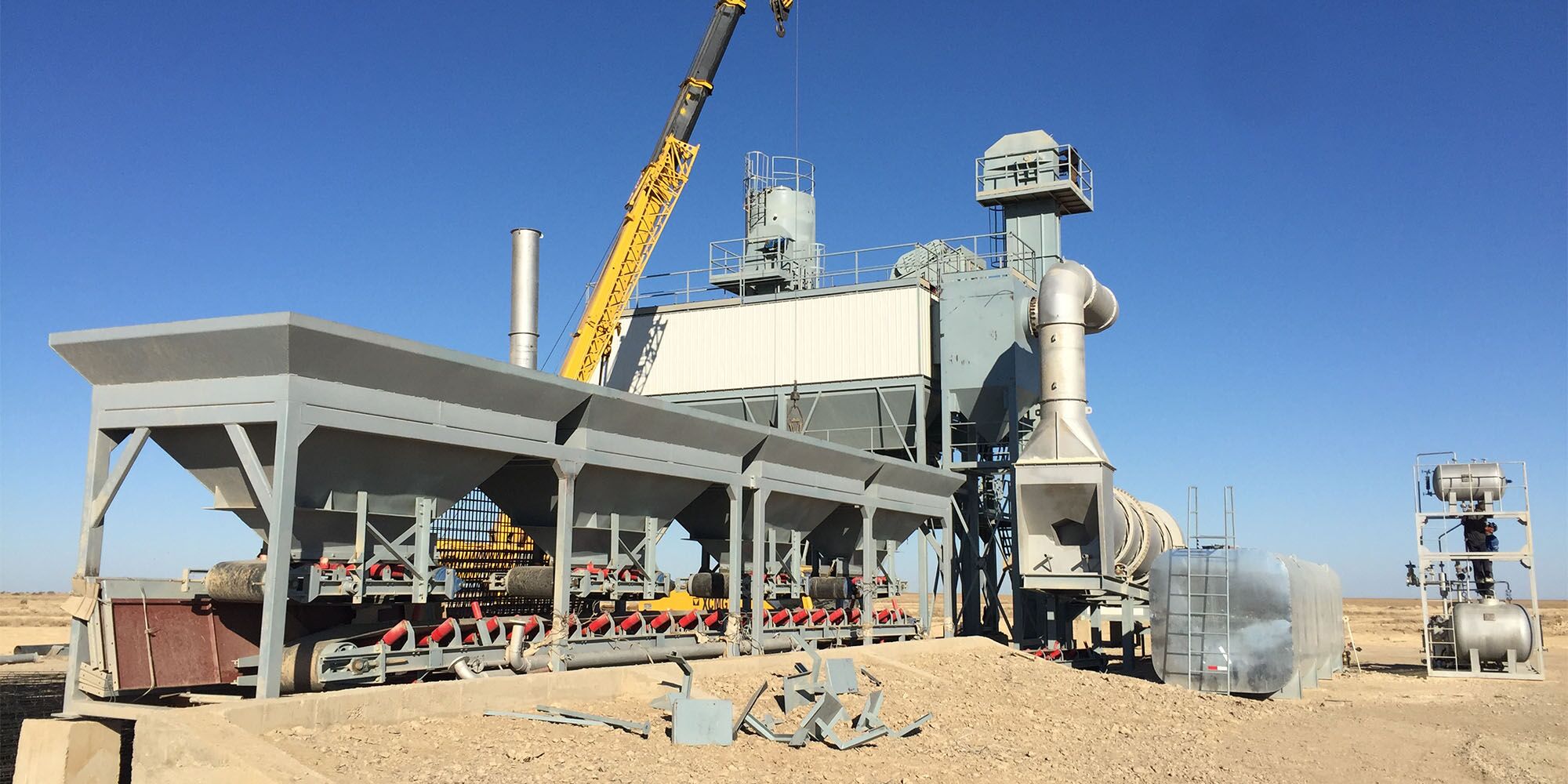
The equipment’s defining characteristic is its high capacity, stable throughput, and it is engineered for large-scale, long-term infrastructure projects. They are also the main equipment for highways, airports, and large municipal construction projects.
Main Applications of Stationary Asphalt Plants
The core advantages of this equipment are operational stability, high quality and durability, making it ideal for all large-scale, high-demand projects, to demonstrate how stationary asphalt plants support a wide range of infrastructure projects.

- Expressway new construction and renovation and expansion projects
They are the most common application scenarios. Expressways have extremely high requirements for the mix ratio, temperature and uniformity of asphalt mixtures, and the total volume of materials required for the whole-line construction is massive. The stationary mixing plant can continuously output standard materials to ensure the uniformity of the construction progress of the whole line.
- Road surface engineering of airports, ports and other transportation hubs
These projects enforce strict standards for pavement smoothness, wear resistance and stability. The precise mixing control system of stationary equipment can stably produce high-quality asphalt mixtures and meet the acceptance standards of key projects.
- Large-scale urban municipal projects
Including the reconstruction of urban main roads, the paving of large public plazas, the overall upgrading of the urban road network, etc. The centralized production of stationary plants can not only ensure the stability of construction materials in urban areas, but also facilitate centralized environmental protection and dust suppression control.
- Continuous infrastructure construction
Townships, large-scale pavement projects in industrial parks, and long-term fixed-site road maintenance projects are also perfectly adapted to the operation mode of fixed asphalt mixing stations.
Stationary vs. Mobile Asphalt Plants: Key Differences
Many contractors will deliberate on whether to choose fixed and mobile equipment when selecting models. There is no absolute superiority or inferiority between the two. The ideal application scenario is completely different, and it can be quickly judged by combining the project cycle, construction site and material scale.
| Feature | Stationary Asphalt Plant | Mobile Asphalt Plant |
| Foundation & Setup | Requires a permanent concrete foundation; 20–45 day setup cycle. | Trailer-mounted chassis; no complex foundation; rapid deployment. |
| Production Capacity | High-volume throughput (up to 240t/h); optimized for continuous mass production. | Lower capacity (typically max 100t/h); ideal for smaller-scale or niche applications. |
| Typical Use Case | Long-term, large-scale infrastructure; high-standard highway works. | Short-term repairs, remote or scattered projects, multi-site operations. |
| Control & Precision | Fully automated; high-precision batching and thermal control; consistent quality. | Basic automation; lower batch-to-batch consistency. |
| Investment & O&M | Higher initial capital expenditure (CAPEX); lower long-term operating costs and failure rates. | Lower initial investment; prone to higher maintenance costs due to frequent mobilization. |
Simply put, if your project is rooted in a site for more than half a year and uses a large amount of materials, priority should be given to stationary equipment. If it is a short-term fragmented project and requires frequent site relocation for construction, mobile equipment will be more flexible and cost-effective.
Analysis of Stationary Asphalt Plant Return on Investment (ROI)
 For engineering contractors, the stationary asphalt plant is not a consumable, but a production equipment that can continuously generate profits. The return on investment is a core consideration.
The profit logic of the equipment is very clear. Through the independent production of asphalt mixtures, it replaces external purchased materials and earns the processing margin. For long-term fixed-point construction projects, there is no need to bear the transportation cost and premium cost of external purchased materials, and the profit margin is very considerable.
The regular payback cycle of the industry is 8-18 months, depending on the utilization rate of equipment and the project volume. If the equipment takes orders continuously and operates frequently throughout the year, the return on cost will be greatly accelerated. Even if a single project is completed, the equipment can undertake local peripheral projects and continue to generate profits.
Compared with the long-term high-priced external purchase of asphalt materials, the unit cost of in-house plant production is lower. The construction team that has been cultivating local infrastructure for a long time and purchasing a fixed mixing station can effectively reduce the overall construction cost and improve the overall profit margin of the project.
Why Choose EPDAS Stationary Asphalt Plants
There are many manufacturers of asphalt mixing equipment on the market. The equipment parameters seem to be similar, but there is a big gap in actual workmanship, stability and after-sales guarantee. As a source manufacturer (OEM), we do not resell as an intermediary. All equipment is independently developed and produced, and the core advantages meet the actual needs of the construction party.
- 01
Robust Build Quality
The whole machine is made of thickened profiles, and the core parts receive wear-resistant and anti-corrosion treatment, which is suitable for outdoor high-strength and dusty harsh construction environments. The equipment has undergone many debugging tests before leaving the factory, and the factory failure rate is low, and it can operate stably for a long time.
- 02
Customized Engineering
Exclusive equipment configuration can be customized according to the customer's project conditions, local environmental protection standards, fuel conditions and production capacity needs. Whether it is a regular municipal project or a high-standard key project, it can be accurately adapted.
- 03
One-stop service
We provide full-process door-to-door installation, equipment debugging and operator training services to solve the problem that customers can't install and use. In the later stage, lifelong technical support and fast accessories supply are provided to minimize equipment downtime.
- 04
International production standards
With CE, ISO and other relevant qualifications, the products are exported to hundreds of countries and regions around the world, and a large number of landing cases of highways, airports and municipal roads have been accumulated. The equipment quality and delivery capacity have been verified by the market.
Core Engineering Advantages of Stationary Asphalt Plants
- Running stably
The plant features a more rigid structure that maintains a uniform operating load and supports long-term uninterrupted operation every day. This leads to a low failure rate of equipment and a low possibility of sudden downtime. Consequently, it effectively avoids common problems such as interruption of construction periods, waiting for materials, or disconnection of material supply.
- High mixing accuracy
The plant is equipped with a mature weighing, temperature control, and intelligent mixing system to ensure accurate ratio measurement. Standardized control in the production process eliminates the problems of oil separation and uneven mixing from the source. This effectively reduces hidden quality dangers such as cracking of the road surface, sanding, and non-standard flatness.
- Lower cost of long-term production
The economic benefit over long-term operation is very prominent. The plant incurs no logistics costs or structural losses caused by the frequent transshipment and disassembly associated with mobile equipment. Furthermore, high heating efficiency and minimal energy consumption loss result in a lower production cost per ton of asphalt mixture.
- Environmental protection
It is equipped with a multi-stage environmental protection treatment system, covering a full set of supporting devices such as gravity initial dust removal, cloth bag dust removal, water circulation purification, equipment noise reduction, and exhaust gas treatment. These features effectively control the dust, exhaust gas, and noise generated during production.
- High degree of automation
The plant is equipped with a fully automatic control system supporting automatic batching, constant temperature heating, continuous stirring, data recording, formula storage, and fault warning functions. Daily production requires only 1-2 operators, which reduces quality problems caused by manual operation errors and simplifies the daily production management process.
- Longer service life
The plant utilizes thickened, wear-resistant profiles that are suitable for outdoor, dusty, and high-load harsh construction environments. Under the premise of normal maintenance, it can be put into stable production for a long time. For construction enterprises that have been cultivating infrastructure for a long time, the investment value is higher.
EPDAS Stationary Asphalt Plant Projects
Stationary Asphalt Plant FAQs
- Is there any difference between an asphalt mixing plant and an asphalt batching plant?
There is no essential difference between the two terms. The difference mainly comes from regional naming habits. “Asphalt mixing plant” is the commonly used industry term, while “asphalt batching plant” is used in some regions to describe the same industrial system for producing asphalt mixtures.
- What temperature does an asphalt plant heat aggregates to?
Under normal conditions, an asphalt plant heats aggregates to approximately 150–180°C. This temperature range effectively removes moisture from the aggregates and ensures proper bonding between asphalt binder and aggregates. When warm mix asphalt technology is applied, the aggregate heating temperature can be reduced to around 120°C.
- What is the maximum RAP content that an asphalt plant can use?
A high-quality asphalt recycling plant can incorporate up to 50% RAP (Reclaimed Asphalt Pavement) while maintaining asphalt mixture performance. The actual RAP content depends on factors such as the aging condition of the reclaimed material and the performance requirements of the final pavement.
- How long does it take for an asphalt plant to produce one batch of asphalt mixture?
For batch-type asphalt plants, the mixing time for a single batch is usually around 20 minutes. Including aggregate feeding, weighing and material handling, the complete production cycle typically takes about 30 minutes. The actual cycle time may vary depending on plant capacity and asphalt mixture design.
- Why can warm mix asphalt technology reduce fuel consumption?
Warm mix asphalt technology lowers the production temperature of asphalt mixtures from the conventional 150–180°C range to around 120°C. Since aggregates require less heating, the burner consumes less fuel. In practical applications, warm mix technology can reduce fuel consumption by approximately 25%.
- What are the key maintenance points for an asphalt plant?
The key to asphalt plant maintenance is preventive servicing of major components. Regular inspections should focus on heating systems such as the drying drum and burner, lubrication of moving parts including conveyors and mixers, calibration of temperature and weighing sensors, and cleaning of dust collection systems. For plants operating in cold climates, additional frost protection measures are also required.
Related Products
Customize Your Solutions
Contact us now via Email:info@epdas.com, or Whatsapp:+86 188 38115507 , or fill in the form below.
FEW TIPS:
- Please describe the capacity per hour of the asphalt batching plant (e.g., 80t/h-400t/h).
- Please clarify whether you need a mobile or fixed type of asphalt batching plant.
- Please state the installation site of the asphalt batching plant (specific country/region)
- Please inform the budget range for purchasing the asphalt batching plant and your expected delivery time.
- If you are interested in becoming our distributor, please let us know.
Service Process:
- Business negotiation
- Solution development
- Manufacturing and commissioning
- Operational production