
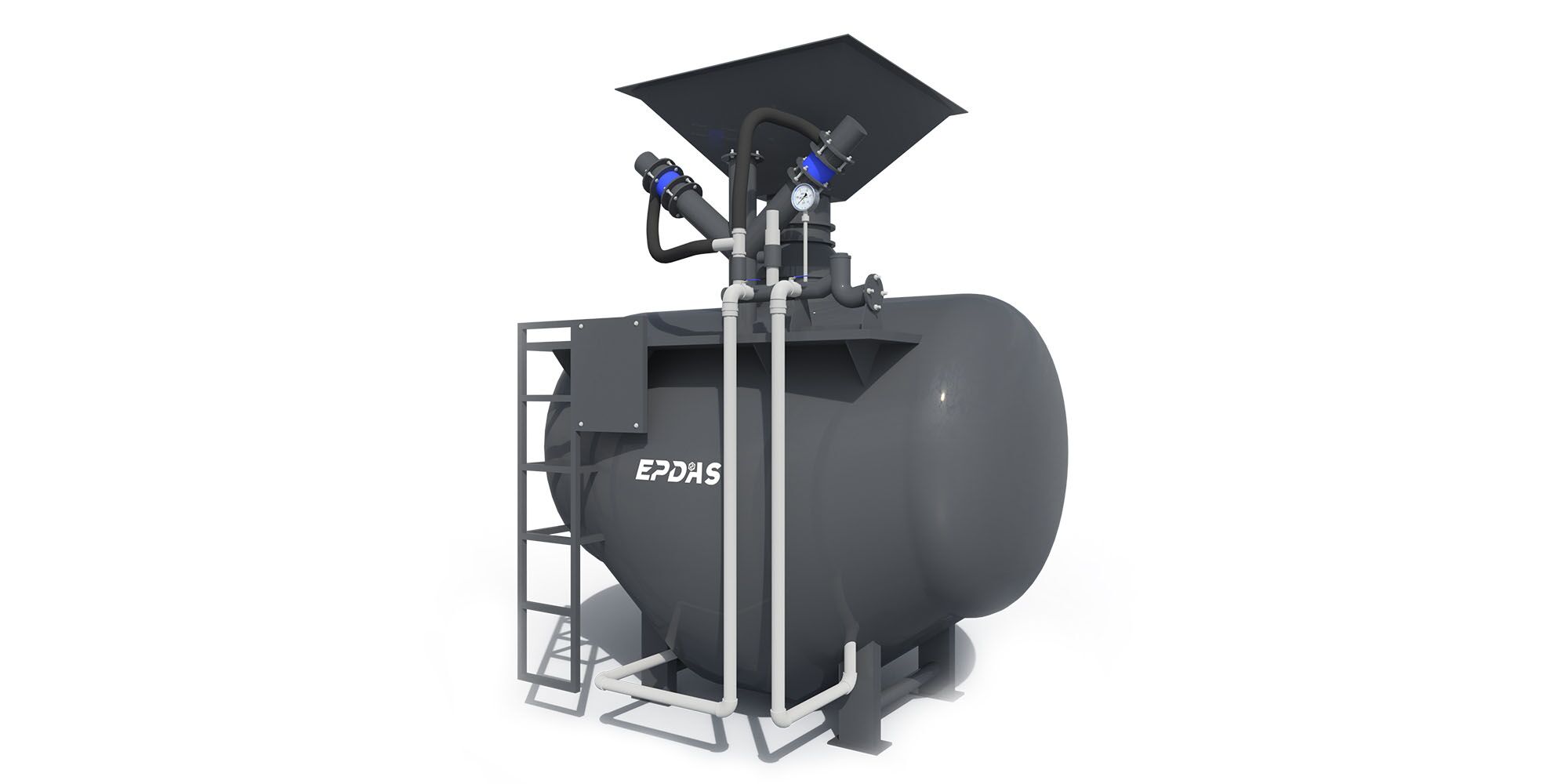
Cement Feeder
A cement feeder is an essential component for automated powder material handling, ensuring stable and accurate material supply during construction material production. It helps improve feeding efficiency, reduce material waste, and maintain consistent operation in concrete batching plants, dry mortar plants, and other industrial processing systems.
- Pumping Capacity:3~8m³/min
- Tank Volume:3.9~6.5t
What is a Cement Feeder
The cement feeder is a key cement feeding equipment used in cement storage, conveying, and batching systems. It is designed to discharge cement, fly ash, dry mortar, and other powder materials from cement silos and storage tanks at a controlled rate, and continuously deliver them to screw conveyors, mixing systems, or packaging equipment.
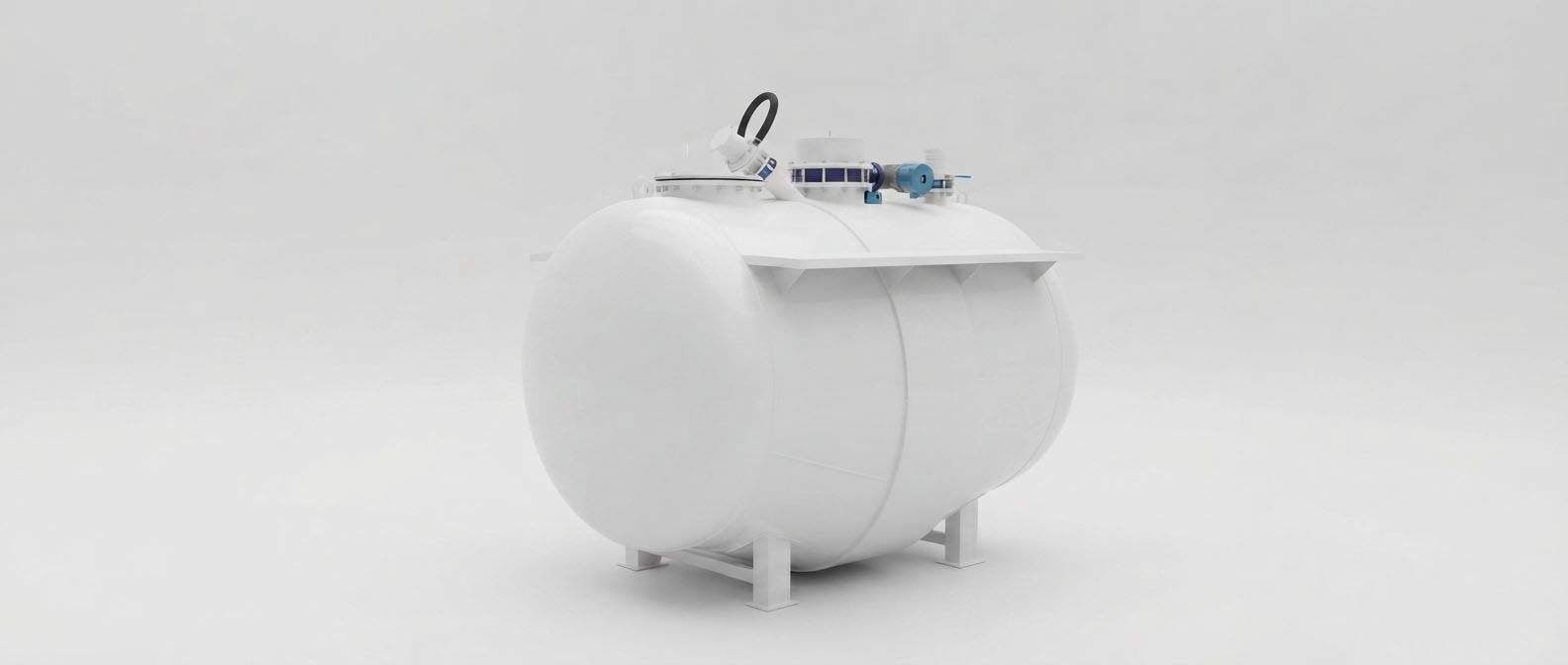
- Cement Feeder
How Cement Feeders Work: From Storage Silo to Production Line
The entire operation of the complete set of equipment relies on heavy-duty mechanical transmission and PLC electric control systems. There are no complicated operation steps, and on-site operators can run it with simple training.
- Storage stage
Cement, fly ash and other powdery raw materials are fed into the vertical storage silo via the bulk tank truck. The powder is stacked in the warehouse. A discharge interface is reserved at the bottom of the warehouse and connected directly to the feed port of the cement feeder.
- Enter the fuselage
The powder in the warehouse falls naturally by its own gravity and flows smoothly into the internal cavity of the feeder. The feed port of the fuselage is matched with an anti-bridging flow guide structure to reduce the overhead and accumulation of powder.
- Flow adjustment control
The motor drives the internal conveying structure to run at a uniform speed, and adjusting the motor speed can change the material output. The feeding system can be integrated with weighing devices and PLC control systems to monitor feeding accuracy and improve output stability.
- Transported downstream
The controlled cement powder is discharged from the discharge port at the bottom of the equipment at a uniform speed, directly falls into the material trough of the screw conveyor below, and continues to be transported to the mixing and packaging process. The whole process runs uninterruptedly.
Common Production Problems and Corresponding Solutions for Cement Powder Conveying
During the daily operation of the frontline powder processing factory, the vast majority of production failures are related to the discharge link of the storage silo. According to the common operation of cement plants, mixing stations and powder processing production lines, we summarize several types of high-frequency feeding problems and provide corresponding equipment optimization plans.
Unstable discharge rate affects production consistency
Industry Pain Point:
Most traditional unloading devices do not have a flow adjustment structure. When there is a lot of powder in the warehouse, the discharge is fast. When the remaining material in the warehouse is small, the discharge is slow. The material feed rate of the whole production line continues to fluctuate. The concrete mixing station will have an imbalance in the ratio, and the strength of the finished product will not meet the standard; the ratio of raw materials in the cement factory will deviate, and the quality of the clinker will be unstable.
Optimization Solution:
The speed of the internal transmission structure of our cement feeder can be adjusted, and the discharge cavity has been designed with uniform material expansion. No matter how much material inventory is in the warehouse, it can maintain a uniform discharge speed and reduce the flow fluctuation in the production process.
Severe dust leakage causes material loss and environmental compliance issues
Industry Pain Point:
Cement powder particles are fine. When the ordinary open unloading structure is in operation, the dust will float from the clearance of the equipment into the factory. On the one hand, a lot of cement raw materials will be lost every day, and the cost of raw materials accumulated in the long run is very high; on the other hand, the dust concentration in the factory exceeds the standard, environmental protection inspection is prone to problems, and the working environment of workers is also poor.
Optimization Solution:
The whole machine adopts a fully enclosed welding structure, the feed and discharge interfaces are matched with rubber seals, and the fuselage has no exposed gaps. During the operation process, the whole process of powder is sealed, which effectively reduces dust leakage and raw material loss, reduces raw material waste, and meets the environmental protection and control requirements of the factory.
Powder bridging and blockage at the silo outlet cause frequent shutdowns and manual cleaning
Industry Pain Point:
The viscosity of cement and fly ash will increase after moisture absorption. If it accumulates at the bottom of the warehouse for a long time, it is easy to form arch-shaped lumps, blocking the discharge port, and the materials cannot fall normally. Once the material is blocked, the whole production line can only be stopped. Workers need to climb to the bottom of the warehouse to manually dredge. It takes more than half an hour for a single cleaning, which greatly compresses the daily effective production time.
Optimization Solution:
The dispersion flow guide structure is installed inside the equipment, and the discharge channel is widened and optimized to reduce the space for powder adhesion and accumulation. Improve the stability of material flow and reduce the frequency of downtime caused by bridges and blockages.
The internal wear of the equipment is fast, and the replacement of parts is frequent.
Industry Pain Point:
Cement powder has fine hard particles, under long-term high-speed friction of the internal blades and lining plates of the fuselage. Ordinary steel components may experience accelerated wear under long-term friction from cement powder, increasing maintenance frequency and replacement costs.
Optimization Solution:
Thicken the wear-resistant steel plate in contact with the equipment and the material, and coat the key conveying blades with a wear-resistant alloy coating. Under the same working conditions, it can effectively extend the service life of wear-resistant parts and reduce the cost of accessories procurement and downtime maintenance.
Standard equipment dimensions cannot fit existing production lines
Industry Pain Point:
Many customers’ factories involve transformed old production lines. The original cement silo and conveyor interface size is fixed. The general-purpose feeder flange, installation height and discharge caliber on the market cannot be docked, and the cost of remodeling the warehouse body and conveyor is very high.
Optimization Solution:
All models of equipment support non-standard customization, and the length and width of the fuselage, flange specifications and installation brackets can be adjusted according to the size of the discharge port of the existing storage silo and the feed height of the conveyor. There is no need to change the original supporting equipment, and the docking installation can be completed directly.
Classification and Applicable Scenarios of Mainstream Cement Feeders
Different production line production capacity and batching accuracy requirements correspond to cement feeders adapted to different structures. They are mainly divided into three categories: spiral, belt, and measuring and weighing, which can be selected according to their own production needs.
Screw cement feeder
Equipment Features: The compact design requires limited installation space. The installation process is simple, and it suits new and old mixing station renovation projects.
Adapted Materials: Pure cement powder, fly ash, dry-mixed mortar powder.
Applicable Scenarios: Small and medium-sized mixing stations, dry mixed mortar production lines, small-scale fly ash treatment workshops.
Advantages of Equipment: Simple structure, few fault points, daily maintenance only requires checking the motor and spiral blades regularly, and the purchase price of accessories is low.
Belt type cement feeder
Equipment Features: The single discharge volume is large, supporting 24-hour continuous operation, and the upper limit of transportation is higher.
Adapted Materials: A large number of cement raw materials transported centrally, which is not suitable for fine ratio processes.
Applicable Scenarios: Raw material transportation section of large cement factories, building materials processing factories with large annual output.
Equipment Advantages: The total amount of discharge per unit time is high, and the production line output will not be limited due to insufficient supply caused by large production capacity demands.
Weighing type cement feeder
Equipment Features: It has its own real-time weighing module, with a small control range of discharge weight error, and can automatically record and adjust the discharge volume.
Adapted Materials: Raw materials that require precise ratios of cement powder and strict requirements for the proportion of ingredients.
Applicable Scenarios: Commercial concrete mixing station, high-end dry mortar production line, automated batching workshop.
Equipment Advantages: Manual on-site duty is not needed to adjust the flow, supporting the plant PLC control system, automatically completing quantitative feeding, and keeping the finished product ratio stable and unified.
If the working conditions of the factory are special and there is no fully matching standard model, we can provide on-site drawings and production capacity requirements. We design customized feeding equipment separately.
Applicable Industry Scenarios of Cement Feeders
Cement feeders are widely used in powder material handling systems where accurate, stable, and continuous feeding is required. From cement production and concrete batching to dry-mixed mortar and building material processing, they provide reliable discharge and conveying solutions for various powder materials, ensuring smooth operation of downstream production processes.
- 01
Cement plant
It is used to discharge materials from the bottom of the raw material warehouse and finished cement silo, transporting cement raw materials and finished cement to the grinding and packaging sections, and ensuring stable raw material supply throughout the cement production process.
- 02
Commercial concrete mixing station
The core supporting equipment of the whole set of the automated batching system can accurately transport cement raw materials, and complete accurate concrete batching with aggregates and additives, so as to ensure the uniform strength of the finished product.
- 03
Dry-mixed mortar production line
Transport a variety of powder raw materials such as cement, fly ash and mineral powder, discharge materials quantitatively according to the formula, and produce finished materials such as masonry mortar, floor mortar, waterproof mortar, etc.
- 04
Fly ash deep processing plant area
The recovery and processing of fly ash in the power plant, the quantitative transportation of fly ash powder, and the completion of downstream processes such as sorting, brick making and packing processing.
- 05
Other building materials processing workshops
All kinds of powder building materials production, pre-mixed raw material processing, and building auxiliary material production lines can be equipped with cement feeders to complete the quantitative conveying of powder.
Key Design Features of Cement Feeders
- Flexible flow adjustment
Relying on the frequency converter motor to adjust the discharge speed, the output can be increased or decreased at any time during the production process, adapted to the production load at different times, and the equipment structure can be adjusted without downtime.
- Fully sealed dustproof structure
The welds of the whole machine are fully welded, and flexible sealing gaskets are installed at all joint positions. The whole process of powder conveying is closed, and the dust problem in the factory area can be significantly improved.
- Lightweight adaptive installation
The body weight is optimized to support a variety of installation methods, and the appropriate installation scheme can be selected according to the on-site conditions.
- Simple maintenance design
The maintenance port is reserved on the side of the fuselage. Without disassembling the equipment as a whole, you can check the wear of the internal blades. It is convenient to replace the wear-resistant lining plate and seal, which shortens the maintenance time.
- High compatibility with electronic control system
It can directly connect with the existing automated batching system in the factory, support manual local control and remote central control modes, and adapt to the automated production line transformation project.
- Stable operation and long service life
The optimized conveying structure reduces material blockage and uneven feeding during operation. The use of wear-resistant components in key contact areas improves equipment durability, ensuring continuous and reliable powder feeding under long-term working conditions.
EPDAS Cement Feeder Projects
Cement Feeder FAQs
- How do I choose the right concrete batching plant for my project?
To choose the right concrete batching plant, consider factors such as required output capacity, project duration, site size, and budget. Mobile concrete batching plants are suitable for temporary or remote projects, while stationary batching plants are ideal for long-term, high-capacity concrete production. We are a Professional supplier and can help you select the most efficient solution.
- What types of mixers are used in concrete batching plants?
Concrete batching plants can be equipped with twin-shaft mixers, planetary mixers, pan mixers, or single-shaft mixers. Twin-shaft mixers are widely used in stationary concrete batching plants due to their high output and strong mixing performance, while planetary mixers are ideal for precast concrete and high-quality concrete production. Choosing the right mixer depends on concrete grade, production capacity, and project requirements.
- Can a concrete batching plant control system be customized?
Yes. The batching plant control system can be fully customized, including PLC brand, interface language, automation level, and data management functions. Advanced options include remote monitoring, automatic reporting, and production data storage, making the concrete mixing plant easier to operate and manage.
- What power supply standards can concrete batching plants support?
Concrete batching plants can be designed to match different international electrical standards, such as 380V 50Hz, 415V 50Hz, or 440V 60Hz. Electrical components are selected according to local power conditions to ensure safe and stable operation.
- Can concrete batching plants operate in extreme climates?
Yes. Customized concrete batching plants can be designed for hot, cold, dusty, or humid environments. Options include thermal insulation, heating systems, dust collectors, and corrosion-resistant materials to ensure reliable performance in harsh working conditions.
- What is the delivery time for a concrete batching plant?
The production time for a concrete batching plant usually ranges from 15 to 45 days, depending on capacity and customization requirements. Shipping time varies by destination. EPDAS can provide clear delivery schedules and export support.
- What should I do if the weighing is inaccurate and the concrete mix ratio has a large error?
If you notice weighing errors, stop production immediately and do not force the machine to run. Check these common issues first: Calibrate the sensors regularly: Weighing sensors can drift slightly over time. Calibrating them once a month will ensure continuous accuracy. Check for moisture and loose wiring: Inspect the sensors to see if they are damp or if the cables are loose. Fix any wiring issues right away. Prevent material buildup: Avoid overloading the aggregate bins. Leftover material can press against the weighing hopper and ruin the measurement. Clean out the bins daily.
- What are the wearable parts of the equipment and how often should they be replaced?
The core wearable parts are mainly located in the mixing and conveying systems. These include mixer blades, liners, conveyor belts, seals, and screw conveyor flights. Under normal use and proper daily maintenance, the estimated replacement intervals are as follows: Mixer blades and liners: 6 to 12 months Conveying belts: 1 to 2 years Seals and lubrication components: Inspect and replace every 3 to 6 months The exact lifespan depends on your production frequency and the abrasiveness of your materials. We highly recommend keeping a small stock of these wear parts in advance to prevent unexpected downtime and project delays.
- How is the mobile concrete batching plant transported?
Transportation is highly convenient and generally split into two types based on the equipment design: Towed (Trailer-mounted) models: These units are built on a heavy-duty chassis with wheels and can be easily towed directly to the job site by a standard truck head. Self-propelled models: These units are equipped with their own driving power system and can move independently around the site or short distances without requiring extra towing vehicles. Both options are engineered for rapid relocation and can be quickly prepared for transport to keep your project moving efficiently.
- Is a foundation-free concrete batching plant more cost-effective than a traditional one?
Yes, it is definitely more cost-effective for temporary projects or jobs that require frequent relocation. While the initial equipment purchase prices are similar, the foundation-free model eliminates the expensive civil engineering costs of pouring a permanent concrete foundation. The entire setup can be reused at next job sites, which saves a significant amount of money over the long term. On the other hand, if you are running a long-term, fixed-location factory, a traditional batching plant might offer slightly better long-term stability.
- Can cement silos be used to store materials other than cement?
Yes. You can store any dry, powder-like materials such as fly ash, lime, and slag powder without major modifications. Just make sure to avoid cross-contamination by keeping different materials in separate silos. Note: If storing highly corrosive materials, a specialized anti-corrosion coating is required.
- Can screw conveyors handle vertical transport?
Yes, but only for short distances. Vertical transport requires short-pitch screw flights and strict feed rate control to prevent material backflow. Because vertical transport consumes much more power, we recommend using an inclined conveyor instead if space permits to reduce energy costs and mechanical wear.
- What should I do if the screw shaft makes unusual noises?
Stop the machine and check these three main causes to troubleshoot the issue: Blade-to-trough friction: Check the alignment of the screw shaft. Adjust its level and straightness to stop the blades from scraping the trough wall. If blades are unevenly worn, grind or replace them. Damaged bearings: Turn off the power and check the bearings for wear. Replace any damaged bearings immediately and apply fresh lubricant. Material jamming: Clear out any blocked material inside the trough. Control the feeding speed to prevent overloading, and inspect the screw flights for any deformation.
- What causes the screw conveyor motor to overheat and how do I fix it?
Motor overheating is usually caused by four common issues. Follow these steps to fix them: Overloading: Reduce the feeding speed and clear any jammed material inside the trough. If the conveyor regularly operates under heavy loads, consider upgrading to a motor with higher power. Poor heat dissipation: Clean off any dust and debris from the motor surface to ensure the cooling vents are clear. Avoid running the motor in high-temperature environments for too long. Jammed bearings: Inspect the bearings for wear and tear. Apply fresh grease, and replace them immediately if they are damaged. Wiring faults: Check the electrical connections for loose wiring or aging cables. Repair or replace the damaged wiring right away.
- What should I do if the screw conveyor leaks material during operation?
Material leakage is usually caused by seal failures or structural wear. Check these three areas to fix it: Damaged seals: Inspect the trough seals and O-rings. Replace any aging or broken sealing components immediately to restore a tight seal. Trough or blade wear: Check for holes or thinned areas on the trough walls and screw flights. Repair or replace the worn sections right away, and set up a regular inspection schedule. Inlet/Outlet leaks: Adjust the sealing mechanisms at both the feeding inlet and discharge outlet. Install extra gaskets or sealing pads to stop materials from escaping.

Customize Your Solutions
Contact us now via Email:info@epdas.com, or Whatsapp:+86 188 38115507 , or fill in the form below.
FEW TIPS:
- Please specify your material type and required feeding capacity (e.g. cement, fly ash, 5 t/h).
- Please describe your application system and equipment connection requirements (e.g. cement silo to batching plant or screw conveyor).
- Please indicate your installation conditions and feeding distance requirements (e.g. horizontal installation, 10 m feeding distance).
- Please let us know your delivery location and purchase plan (e.g. USA, 2 units for a new project).
- If you are interested in becoming our distributor, please let us know.
Service Process:
- Business negotiation
- Solution development
- Manufacturing and commissioning
- Operational production