
Driven Type: Diesel/Electric
Concrete Mixing: 22.5m³/h
Concrete Pumping: 30~50m³/h
A concrete mixer is an essential construction device that blends cement, aggregate, water and admixtures into workable concrete in precise proportions. It replaces inefficient manual mixing, guarantees consistent quality, boosts construction efficiency, and comes in multiple models to suit all project scales, making it a must-have for modern job sites.
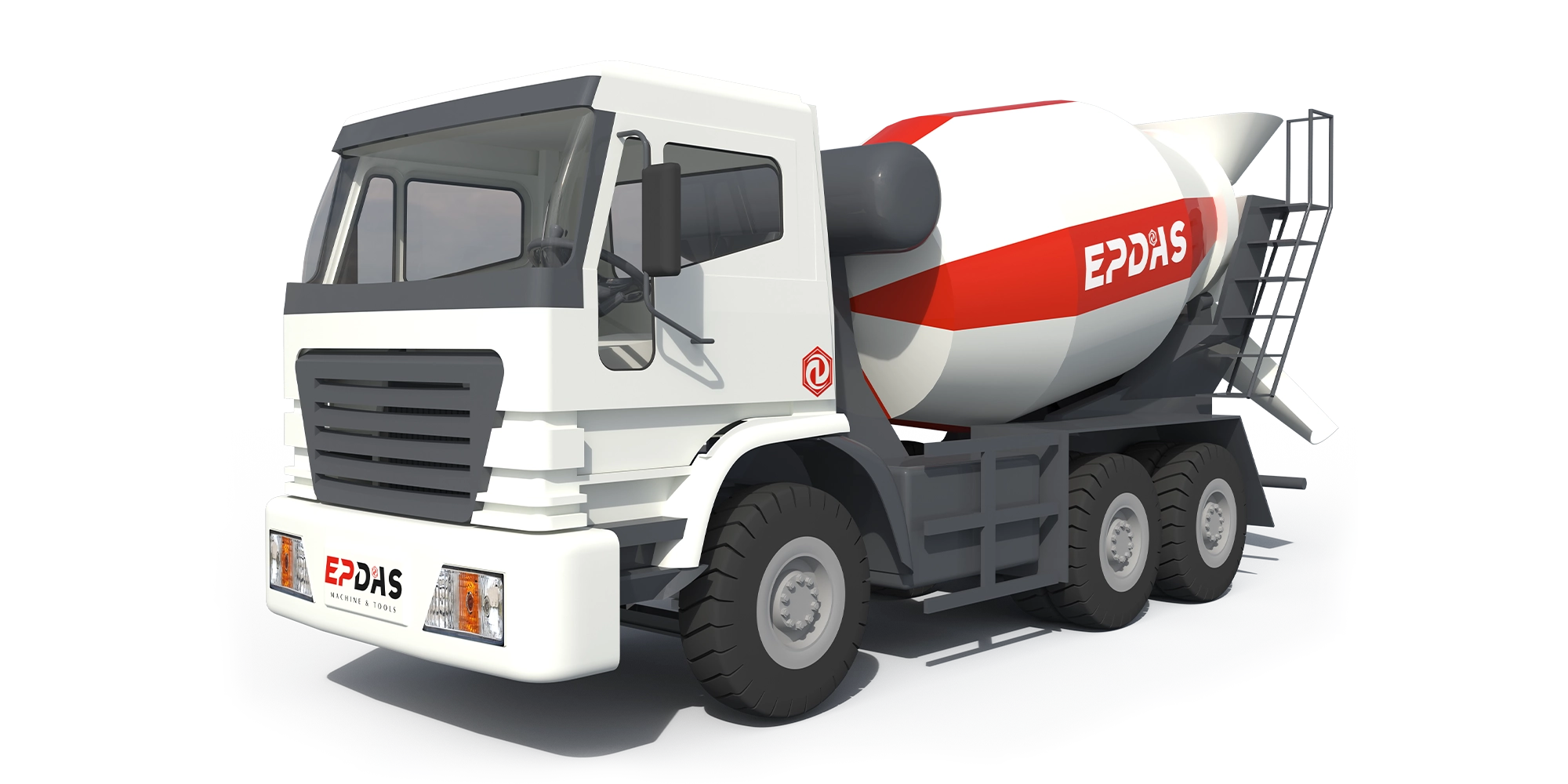
A concrete mixer is just basic construction gear. It spins a drum or moves metal blades to blend cement, sand, gravel, water and small additives in set portions, making smooth concrete that is ready to pour right at the job site.
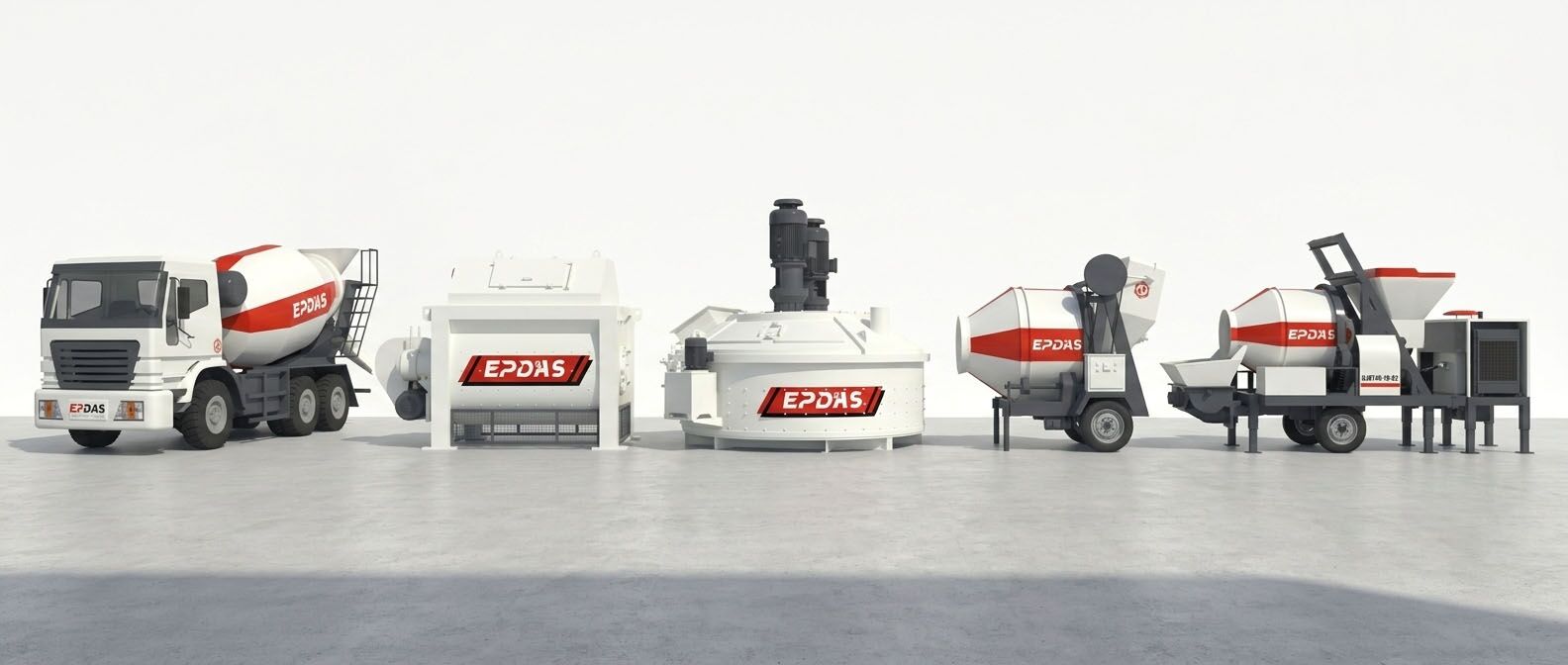
Hand mixing is messy and unreliable, and it drags down the whole construction speed. Concrete mixers fix these problems, keep quality steady, and help projects stay on track. That’s why every modern job site relies on this tool. It’s not optional, it’s a necessity.
We can sort concrete mixers in a few ways, but the most practical split for daily site use is by mixing style: batch-type and continuous mixers. These two work completely differently, and picking the wrong one wastes time and cuts efficiency right away.

Batch mixers are the most common choice on job sites now. They work in simple cycles: mix one full load of concrete, empty it completely, then add new raw materials to start the next batch.
This step-by-step process lets workers control the mix ratio and quality of each batch closely. It works well for projects that need different concrete blends, not just one standard mix.
– Stationary batch mixers: Bolted in concrete batching plants, these work best for big, fixed sites that need a steady flow of concrete, like industrial areas or large housing builds.
– Mobile batch mixers (mixer trucks): The mixing drum sits right on a truck frame, so concrete keeps stirring while driving to the site. They’re perfect for small spread-out jobs, city road fixes, or remote sites that need concrete hauled far away.
– Operation styles: Manual mixers need workers to add materials and time the mix by hand, good for quick small jobs. Fully automatic ones use digital controls to measure, mix and pour on their own. They run quicker and waste less stuff, so big batching plants like them most. Semi-automatic fits medium projects just right.
Continuous mixers don’t work in batches at all. They take in raw materials, mix the concrete, and pour out the finished product all at once, nonstop. There’s no waiting for a batch to finish. Keep feeding in cement, sand and gravel, and the machine keeps making concrete.
This type is only used for large, heavy projects, like dam pouring, highway construction, or precast concrete factories that need high output.
Driven Type: Diesel/Electric
Concrete Mixing: 22.5m³/h
Concrete Pumping: 30~50m³/h
Mixing Capacity: 3~12m³ per drum
Hydraulic System: China Brand/PMH/ARK
Chassis Truck: HOWO/JAW/DONGFENG/FOTON...
Machine mixing beats hand mixing by a long shot, but each mixer type has its own strengths and weaknesses. Knowing these helps us use the equipment properly and pick the right model for the job.

Good points: It’s accurate and flexible. Workers can adjust mix ratios easily, so it handles special concrete like high-strength or waterproof mixes well. It deals with small, frequent batches with no fuss, and the upfront cost is cheap enough for most small to mid-sized construction teams. There are models for fixed plants and moving site to site too.
Bad points: It can’t keep up with huge, nonstop concrete needs for big projects. The batch loop slows work down on large jobs. It also has lots of moving parts like drums and blades that wear out fast, so regular checks and part swaps are a must to keep it running smooth.
Good points: It mixes fast and puts out concrete nonstop, making a lot per hour. The twin-shaft setup blends concrete evenly, so quality stays consistent even for big pours.
Bad points: It costs a lot to buy upfront, so only large construction companies or professional batching plants usually invest in it. The machine is more complex, so it needs skilled workers for daily maintenance and repairs. Changing the mix ratio is also tough, so it only works for one fixed concrete blend, not jobs that need frequent tweaks.
Any concrete mixer works the same simple way. It spins parts to blend all raw materials nice and even. Mobile mixer trucks are everywhere on job sites, so we’ll use this common rig to walk you through the whole process plain and simple.

The heart of the machine is the spinning drum, with tough spiral blades fixed tight inside. A motor runs the drum to turn, and that’s how we mix concrete and pour it out later. Most modern mixer trucks have a standalone water tank built in. This buys extra time before concrete sets, making long hauls no hassle at all.
Dry Mix (Loading Stage): The drum spins slow one way, and the spiral blades push dry ingredients, like gravel, sand and cement, up and inward to mix them well. For long trips, we only load dry stuff first, no water added at all.
Wet Mix: When the truck’s just a few kilometers from the job site, pour a set amount of water and additives from the tank into the drum. Keep it spinning to blend the dry mix and water fully, making thick, workable concrete that is ready to pour.
Once we pull up to the site, flip the drum to spin backward. The blades push concrete out and down, so it flows smooth through the discharge chute. Fresh concrete can go straight to the pouring spot, or get moved with a pump or conveyor belt.
Try to keep the whole time, from adding water to pouring on site, under 60 minutes, and never go over 90 minutes. Concrete starts setting the second water hits the dry mix. Past 90 minutes, it gets stiff and hard to handle. Poured concrete will crack easy and be too weak. If concrete hardens inside the drum from a truck breakdown, the only fix is to chip it out with a jackhammer. It wastes loads of time and can wreck the drum too.
Concrete mixers work on any job site, big or small. Whether it’s a quick home repair or a large infrastructure build, picking the right mixer matters. The wrong gear slows work, wastes mix, and causes unnecessary hassle on site.

Small jobs cover home remodels, yard work, rural self-built homes, floor leveling, stair pours and simple fence builds. These only need small concrete batches, with scattered work spots. A small portable mixer fits best. It’s light, easy to move, and mixes just enough right at the work zone.
Medium jobs include low-rise housing, small shop renovations and local road patches. They need moderate concrete volumes and short on-site moves. A mobile mixer truck is ideal. It navigates sites easily, mixes on demand, and cuts down on waste.
Big jobs are major infrastructure and industrial projects, highways, railways, water dams and large factories. These need fast, nonstop high-volume concrete. Use a continuous mixer, or set up a fixed batch plant with trucks to keep up with demand.
Tough sites mean remote areas with no steady power and hard material transport. Use a diesel mobile mixer here. For special concrete, high-strength, corrosion-resistant mixes that need exact ratios and pick a fully automatic mixer for consistent accuracy.
Ready-mix concrete is mostly made at fixed batch plants. Automatic mixers weigh and blend materials accurately, then equipment deliver finished mix concretes to job sites. This is the most common way to supply concrete for urban builds.
Small quick jobs like home touch-ups, only need a compact portable mixer which is cheap and simple to run. Medium jobs use mobile mixer trucks for balanced mobility and speed. Large projects need continuous mixers or a dedicated on-site batch plant.
Scattered work or narrow roads, like old neighborhood fixes or rural roads call for small, nimble mixers that fit tight spaces. Fixed sites like factories or permanent plants need stationary mixers, which are more stable and efficient.
Stable 380V power sites work best with electric mixers because of its low cost and quiet character. Remote sites with no power need gas or diesel mixers, which run nonstop for hours.
Durability is non-negotiable. Look for thick mixing drums and wear-resistant blades. Concrete wears parts down fast, so sturdy components mean fewer repairs and a longer machine life.
Manual mixers are cheap and simple, but need full-time supervision, which is great for small jobs. Semi and fully automatic mixers self-weigh and self-mix, more accurate with less labor, perfect for large, strict builds.
Calculate total costs, not just upfront price. Fixed plants and continuous mixers cost more at first, fitting teams with long-term big projects. Small portable mixers have low startup costs, ideal for solo contractors or small crews. Remember always add operating and repair expenses to the math.
Yes, they are different terms for the same piece of equipment. In daily construction, concrete mixers are often referred to as cement mixers. Their core function is to blend aggregates, cement and water into concrete mixture, with no essential difference between them.
Not recommended. Portable mixers feature small mixing capacity and low efficiency, only meeting the demand for small-batch concrete. Using portable mixers will severely delay the construction progress. Continuous mixers or concrete batching plants should be adopted instead.
It should not exceed 90 minutes at most, and the optimal pouring time is within 60 minutes after water is added for mixing. Concrete begins to initially set once water is added. If the time exceeds 90 minutes, its workability and strength will drop drastically, leading to potential quality issues after pouring.
Not all of them. Small portable mixers are generally not equipped with an independent water tank, and water needs to be measured and added manually in advance. Modern mobile concrete mixers are basically fitted with an independent water tank, which allows water addition during transportation to extend the initial setting time of concrete.
Inspect and replace wear parts. Check mixing/screw blade wear and replace damaged ones timely. Lubricate transmission components regularly and clear drum residual concrete to avoid hardening/caking.
Optimize the concrete mix: Adjust the water-cement ratio to improve workability and flowability before pumping. Match the pipe diameter: Always use the correct delivery pipe size that matches your specific concrete aggregate grading. Keep pipelines clean: Flush and wash the pipelines thoroughly after every session to prevent old residue buildup. Emergency troubleshooting: In case of an immediate blockage, try using the reverse pumping function to break the clog, or use a specialized pipeline clean-out tool to clear the pipe safely.
The best choice depends entirely on your project timeline, workload, and financial strategy: Buying: This is ideal for long-term, high-volume projects. Owning the equipment delivers a much higher long-term ROI and ensures 100% equipment availability whenever you need it. Renting: This is perfect for short-term projects, temporary jobs, or testing out a new machine. It significantly minimizes your upfront capital investment and gives you excellent cash flow flexibility.
Highly safe, provided operators follow these three baseline rules: Wear PPE: Ensure the team always wears standard safety gear. No overloading: Never pump beyond the rated capacity or height limits. Daily checks: Verify hydraulic pressure, pipe couplings, and outrigger stability before starting.
It handles almost all concrete types and construction mixes on the market, including: Standard mixes: Commercial ready-mix concrete and precast concrete. Specialty concrete: Dry-hard concrete, roller-compacted concrete (RCC), high-strength concrete, and self-consolidating concrete (SCC). Other materials: Various types of mortar and construction powder blends.
The standard mixing cycle for regular materials takes only 30 to 60 seconds. You can slightly adjust this timing based on your specific concrete mix design, aggregate size, and hardness.
Service Process: