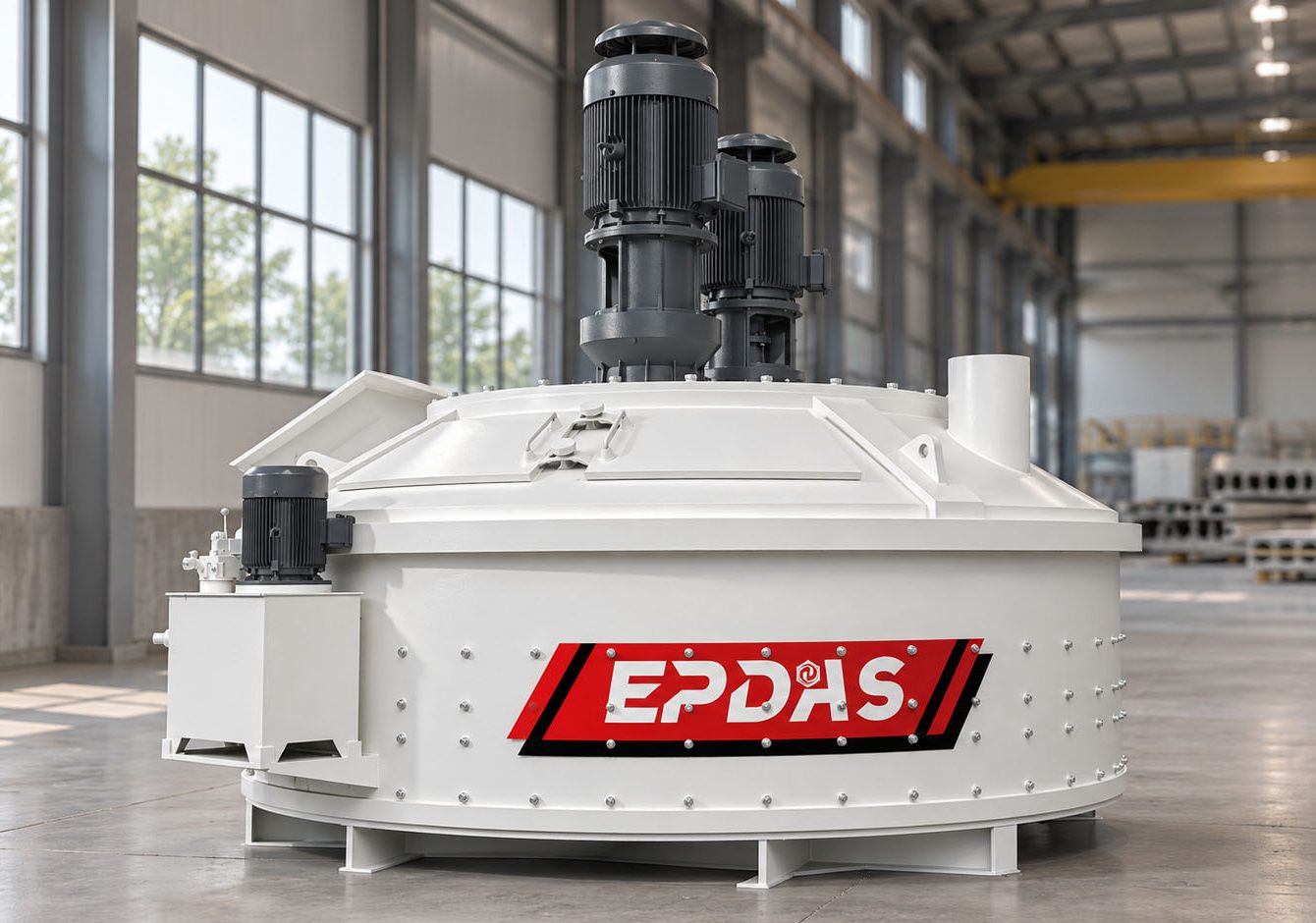
Scraper wear can gradually reduce a vertical-shaft concrete mixer’s ability to keep material circulating and discharge cleanly, even while the machine continues running. Understanding how these changes relate to measured clearance and component condition helps operators choose appropriate maintenance. Decisions based on manufacturer requirements and actual wear can reduce unnecessary replacement, persistent residue and avoidable interruptions to daily concrete production.
Blog
-
2026-11-16
-
2026-11-16
Color carryover in a vertical-shaft mixer can persist even after visible concrete has been removed, because deposits and trapped pigments may enter later batches. Consistent color depends on managing the entire material path rather than cleaning the mixing chamber alone. A validated changeover process helps manufacturers reduce contamination while distinguishing genuine carryover from color variation caused by changing production conditions.
-
2026-11-11
Material trials help buyers compare twin-shaft and vertical-shaft mixers using their own production materials. This guide explains how to establish comparable conditions, assess mixing uniformity at different durations, and evaluate discharge consistency, residue, energy use and complete batch cycles. Repeated trials provide a clearer basis for equipment selection, with conclusions limited to the tested mix design, loading ratio and conditions.
-
2026-11-11
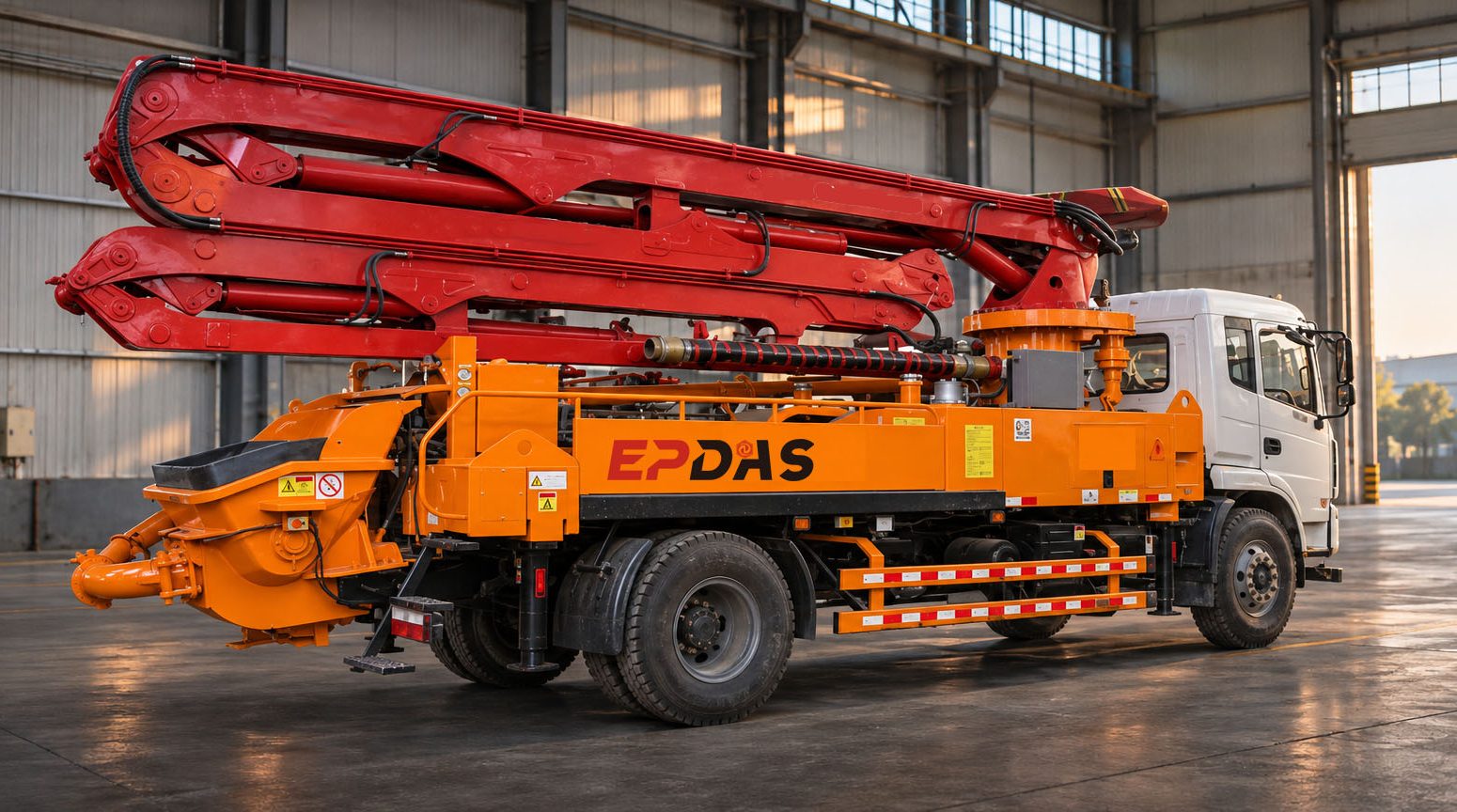
Choosing between a spider concrete placing boom and a truck-mounted concrete boom pump depends on how the complete system fits the jobsite. This article explains how site access, support conditions, working coverage and relocation needs affect selection. It also compares equipment and operating costs, helping contractors assess existing pumping resources and choose a suitable solution for their concrete pouring projects.
-
2026-11-10
The right placing boom radius depends on where the machine can be set up and which parts of the slab it can reach from that position. This guide uses a rectangular slab to show how setup location changes the required radius, then explains how to verify actual coverage using the manufacturer’s working range diagram before choosing a model or planning repositioning.
-
2026-11-10
A concrete pump boom may respond late to a joystick command or move slowly once it starts. This guide explains how to narrow down the cause by observing which boom sections are affected, whether the slowdown occurs in one or both directions, and how it changes as the hydraulic oil warms up. These observations help maintenance personnel focus their inspection.
-
2026-11-09
Choosing a concrete boom pump starts with where the truck can set up and which pour points it must reach. This guide explains how to use the manufacturer’s working range diagram to check reach at the required height or depth, account for obstacles and outrigger restrictions, and decide whether a longer boom or multiple setup locations make sense for the job.
-
2026-11-06
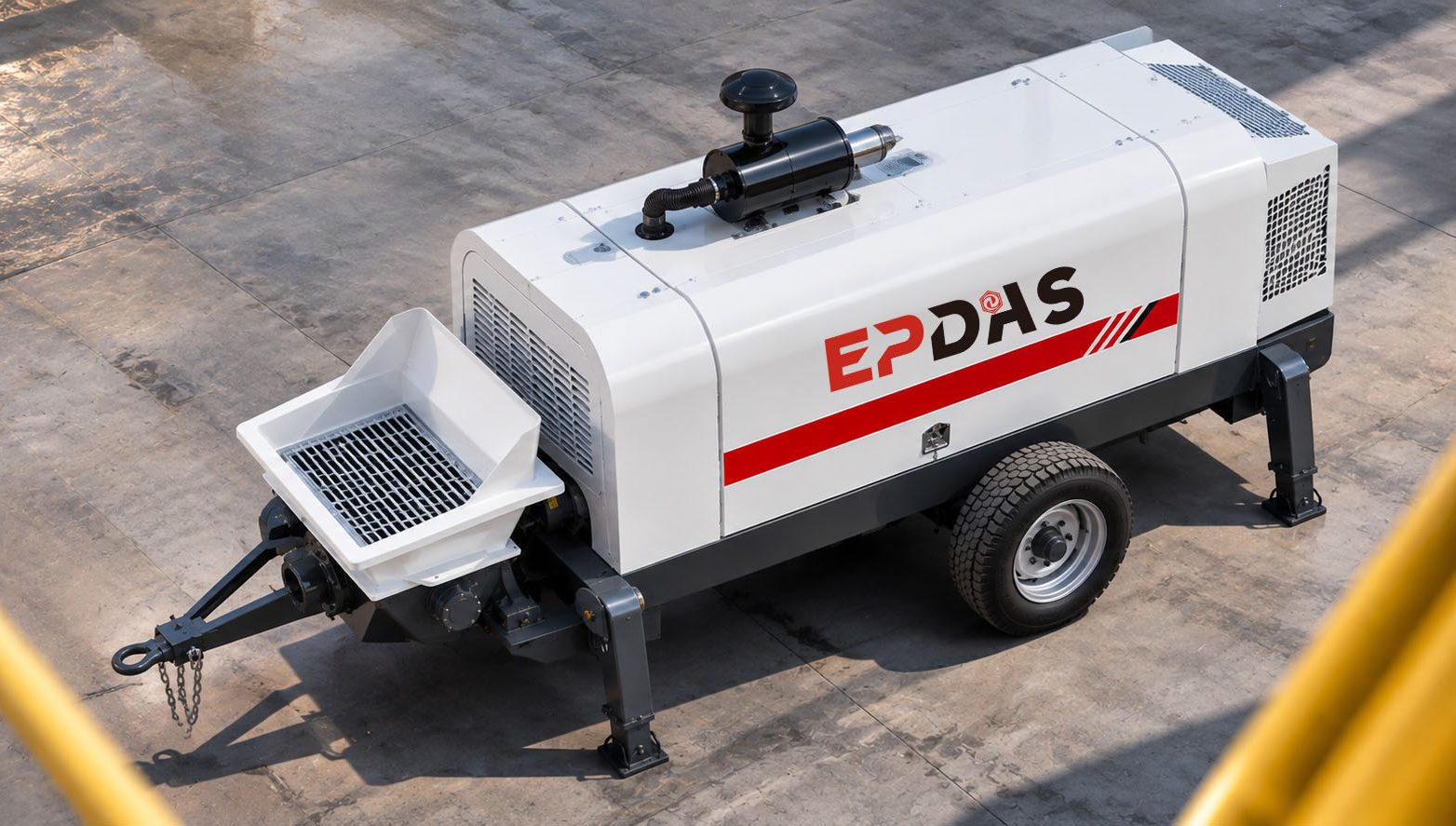
Pumping pressure problems in trailer concrete pumps can result from hydraulic system faults, internal leakage, or excessive delivery resistance. Understanding how these problems affect equipment performance helps operators distinguish between pressure loss and pipeline blockage. This article explains the main causes of abnormal pumping pressure and provides practical guidance for identifying faults and carrying out systematic troubleshooting.
-
2026-11-05
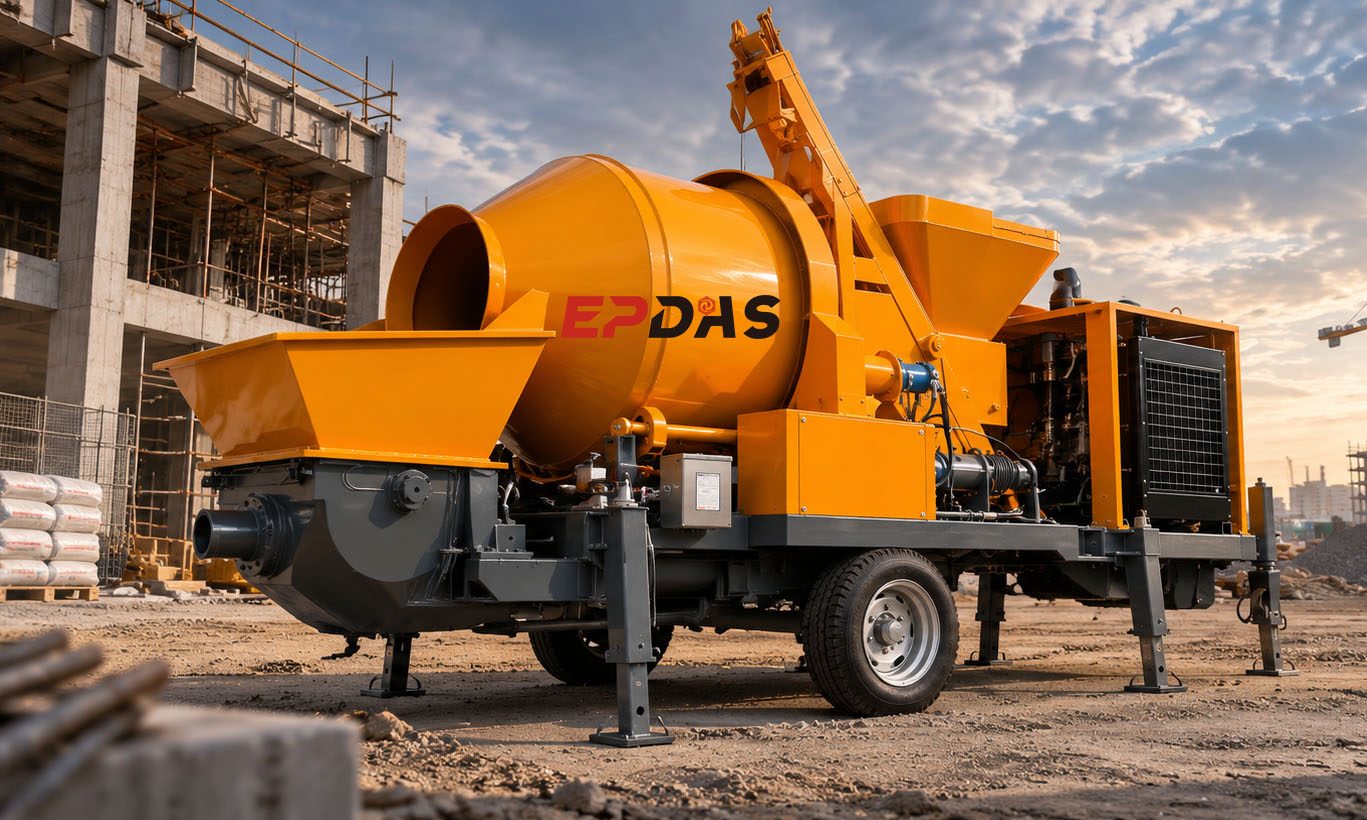
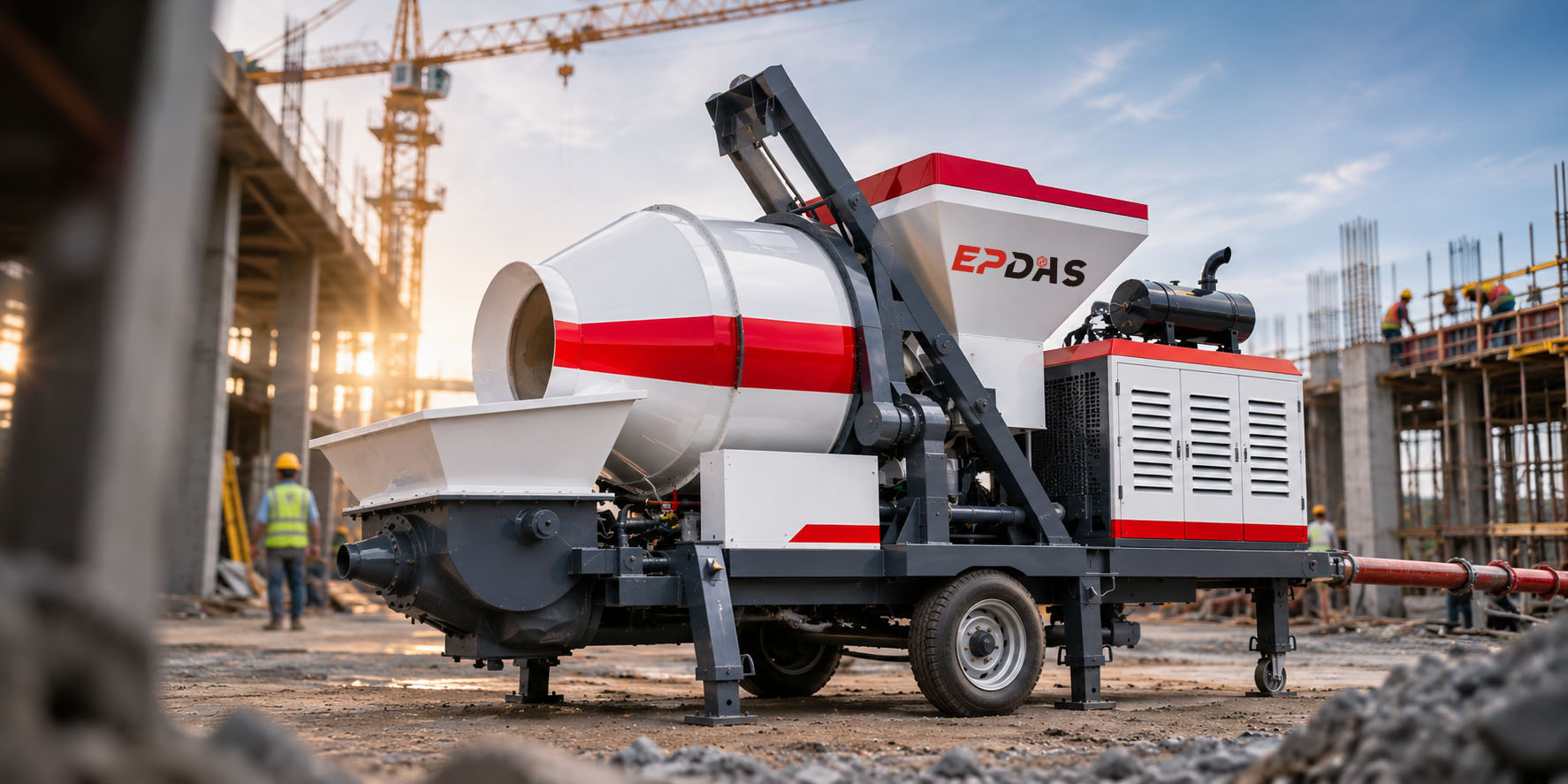
Proper cleaning after operation helps prevent concrete buildup, pipeline blockages, and premature component wear in concrete mixer pumps. This guide explains how to clean the mixing chamber, receiving hopper, pumping system, and delivery pipelines while following essential safety precautions. It also covers common cleaning mistakes, differences between diesel and electric models, lubrication, and inspections before the next operation begins.
-
2026-11-04
Choosing between a diesel and electric concrete mixer pump depends on more than the power source. This article examines how site conditions, power availability, pumping requirements, and long-term operating costs influence equipment selection. It explains the practical differences between the two options and helps buyers determine which type is better suited to their construction projects.