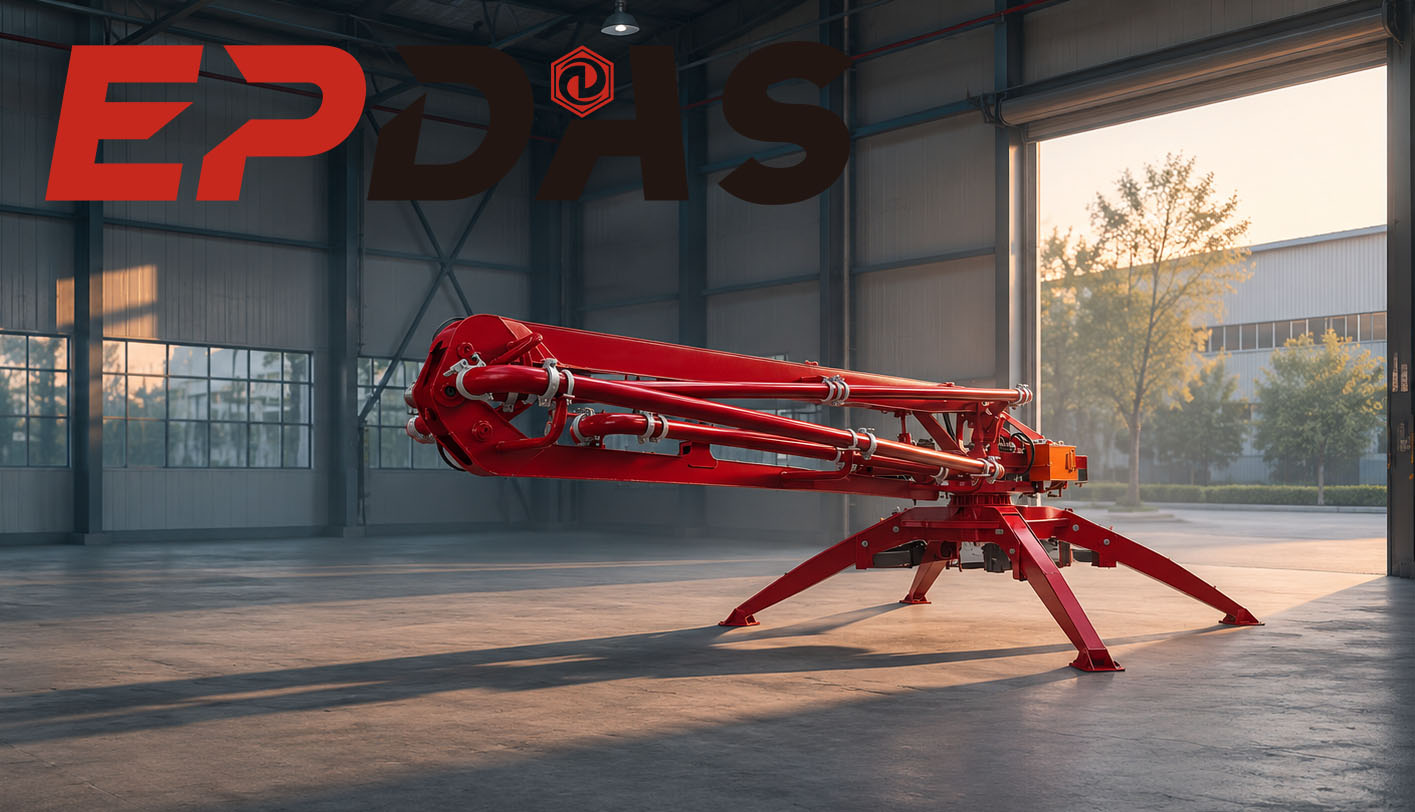
Choosing between a spider concrete placing boom and a truck-mounted concrete boom pump depends on how the complete system fits the jobsite. This article explains how site access, support conditions, working coverage and relocation needs affect selection. It also compares equipment and operating costs, helping contractors assess existing pumping resources and choose a suitable solution for their concrete pouring projects.
Knowledge
- 2026-11-11
- 2026-11-10
The right placing boom radius depends on where the machine can be set up and which parts of the slab it can reach from that position. This guide uses a rectangular slab to show how setup location changes the required radius, then explains how to verify actual coverage using the manufacturer’s working range diagram before choosing a model or planning repositioning.
- 2026-11-10
A concrete pump boom may respond late to a joystick command or move slowly once it starts. This guide explains how to narrow down the cause by observing which boom sections are affected, whether the slowdown occurs in one or both directions, and how it changes as the hydraulic oil warms up. These observations help maintenance personnel focus their inspection.
- 2026-11-09
Choosing a concrete boom pump starts with where the truck can set up and which pour points it must reach. This guide explains how to use the manufacturer’s working range diagram to check reach at the required height or depth, account for obstacles and outrigger restrictions, and decide whether a longer boom or multiple setup locations make sense for the job.
- 2026-11-06
Pumping pressure problems in trailer concrete pumps can result from hydraulic system faults, internal leakage, or excessive delivery resistance. Understanding how these problems affect equipment performance helps operators distinguish between pressure loss and pipeline blockage. This article explains the main causes of abnormal pumping pressure and provides practical guidance for identifying faults and carrying out systematic troubleshooting.
- 2026-11-05
Proper cleaning after operation helps prevent concrete buildup, pipeline blockages, and premature component wear in concrete mixer pumps. This guide explains how to clean the mixing chamber, receiving hopper, pumping system, and delivery pipelines while following essential safety precautions. It also covers common cleaning mistakes, differences between diesel and electric models, lubrication, and inspections before the next operation begins.
- 2026-11-04
Choosing between a diesel and electric concrete mixer pump depends on more than the power source. This article examines how site conditions, power availability, pumping requirements, and long-term operating costs influence equipment selection. It explains the practical differences between the two options and helps buyers determine which type is better suited to their construction projects.
- 2026-11-03
Understanding concrete pump costs requires looking beyond the initial quotation. The true value of a machine depends on how well its capabilities match project requirements and how much it costs to own and operate over time. By evaluating both purchase and long-term expenses, buyers can make more informed decisions, avoid unnecessary spending, and select equipment that fits their budget.
- 2026-11-02
A concrete pump and a concrete mixer pump both deliver concrete to construction sites, but they differ in how concrete is prepared and supplied. This article explains their main functions, components, workflows, and practical differences, helping contractors understand how each machine affects site layout, concrete supply, and quality control, and choose the right equipment for their project.
- 2026-10-30
This article explains why a telehandler may lift slowly or fail to raise heavy loads. It examines common causes, including overload, hydraulic oil problems, blocked filters, pump wear, valve failure, cylinder leakage, and mechanical resistance. It also provides practical troubleshooting steps to identify faults, narrow down potential causes, and determine when equipment operation should be stopped for safety.